
Top Office Maintenance Tasks for Dubai Workplaces
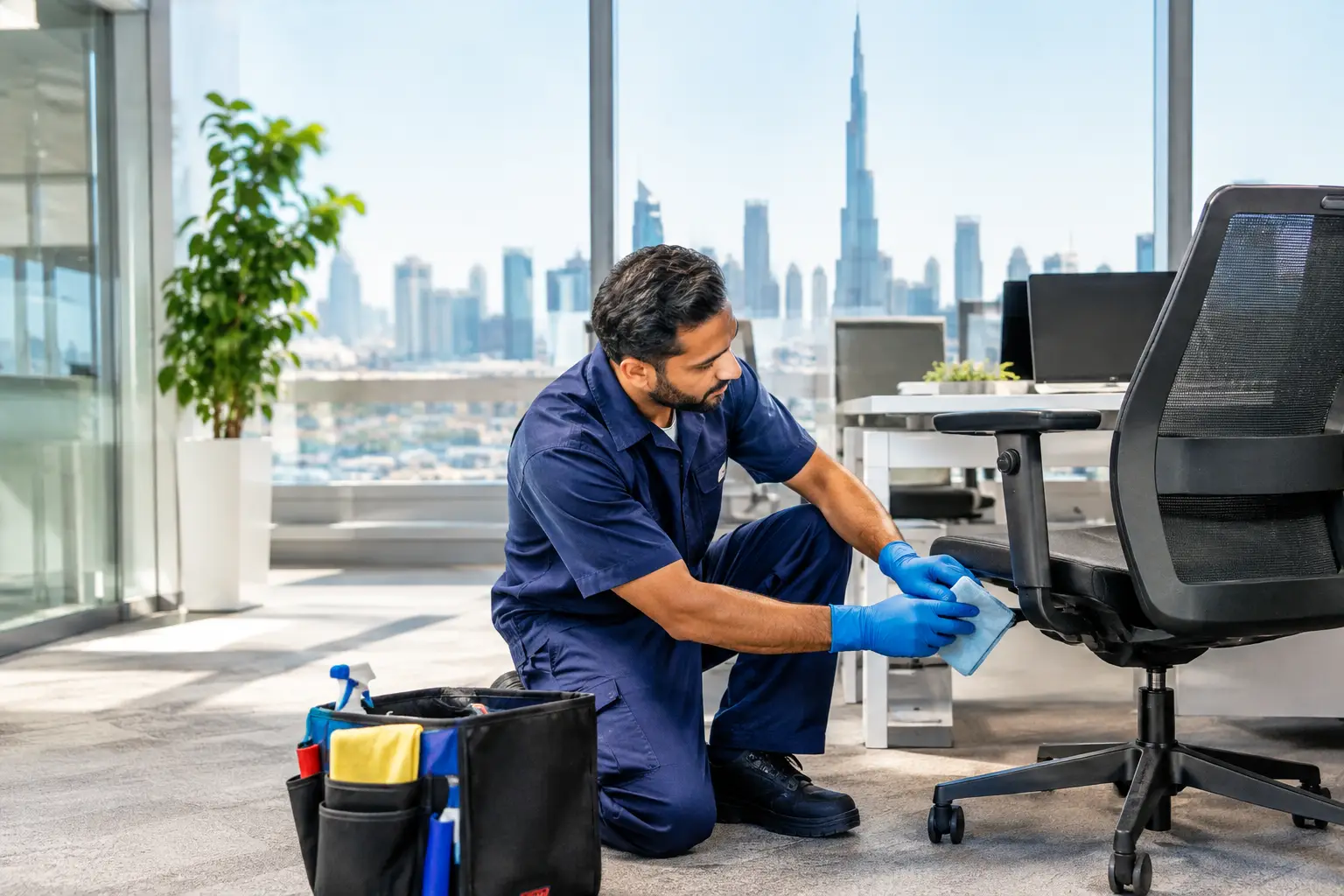
An office AC that stops cooling at 2 p.m., a leak beneath the pantry sink, or repeated circuit trips can disrupt far more than a workday. They affect employee comfort, client meetings, equipment, and tenant relations. The top office maintenance tasks are the routine checks that find these issues early, before they become urgent repairs or costly downtime.
For offices in Dubai, preventive maintenance needs to account for heavy AC use, high temperatures, dust, shared building systems, and spaces that may be occupied for long hours. The right plan is not simply a long checklist. It should focus on the systems most likely to affect safety, operations, and the condition of the property.
Start With HVAC and Air Conditioning
Air conditioning is usually the highest-priority maintenance item in a Dubai office. Cooling systems work hard for much of the year, and reduced performance can quickly make meeting rooms, workstations, and server areas uncomfortable.
A scheduled AC service should include cleaning or replacing filters, checking airflow, inspecting indoor and outdoor units, clearing drain lines, reviewing electrical connections, and testing thermostat operation. Filters may need attention more often in offices with high foot traffic, open doors, nearby construction, or noticeable dust buildup. A clogged filter restricts airflow, places extra strain on the unit, and can contribute to uneven cooling.
Drainage deserves particular attention. Condensate drain blockages can cause water to leak through ceiling tiles, walls, or ducted AC units. Do not treat a small drip as a cosmetic issue. Moisture can damage finishes, create odors, and lead to mold growth if it is not corrected at the source.
For larger offices, have the maintenance provider assess zones separately. One executive office that is too cold while a crowded open-plan area is too warm may indicate an airflow, thermostat, damper, duct, or capacity issue. Simply lowering the set temperature rarely solves the root cause.
Check thermostats and controls
Programmable thermostats and smart controls can reduce unnecessary run time, particularly where teams work fixed hours. However, automation should suit the actual occupancy pattern. An office with late shifts, weekend staff, or equipment that generates heat may need a different schedule from a standard 9-to-5 workplace.
Controls should also be checked after fit-outs, layout changes, or new partitions. A thermostat located near direct sunlight, a pantry, or a heat-producing device may give inaccurate readings for the wider space.
Keep Plumbing and Pantry Areas Under Control
Small plumbing faults become major disruptions when they are hidden inside cabinets, ceilings, or wall cavities. Office managers should schedule inspections of pantry sinks, toilets, faucets, shut-off valves, water heaters, drainage points, and visible pipework.
Look for slow drainage, water stains, loose fixtures, low water pressure, bad odors, and constantly running toilets. A running toilet may seem minor, but it wastes water continuously and can raise utility costs. Slow drains should be cleared before they become a complete blockage during working hours.
Water heaters require a separate check, especially in offices with staff washrooms, pantries, salons, clinics, or other facilities that use hot water regularly. Technicians should inspect the unit, safety components, electrical supply, connections, and signs of corrosion or leakage. Replacement may be sensible for an aging unit with recurring failures, but it should be recommended only after an honest condition assessment.
If your office uses a water tank or filtration system, include cleaning, inspection, and filter replacement in the maintenance calendar. The timing depends on building arrangements, water usage, and the type of system installed.
Make Electrical Safety a Planned Task
Electrical maintenance is not only about fixing a socket after it fails. Regular checks help identify loose outlets, overloaded extension leads, damaged cables, tripping breakers, flickering lights, and heat at electrical connections before they present a safety risk.
Ask for an inspection of the distribution board, circuit breakers, sockets, switches, lighting, emergency lighting, and equipment connections. Offices often accumulate power strips and adapters as teams expand. That creates a common risk: too many devices drawing power from one circuit or extension lead.
High-load equipment deserves special attention. This can include printers, coffee machines, water dispensers, IT racks, UPS units, and server-room cooling equipment. If a breaker trips repeatedly, do not keep resetting it without investigation. The cause may be overload, a faulty appliance, a wiring defect, or a problem within the circuit itself.
Test lighting where it matters most
General lighting affects comfort and productivity, while emergency lighting supports safe evacuation. Replace failed bulbs and drivers promptly, but also investigate repeated failures in the same fitting or area. This may point to voltage fluctuation, poor connections, overheating, or an incompatible component.
For offices with exterior signs, parking areas, or entrance lighting, include these in scheduled inspections. Poorly lit access points affect both safety and the impression made on visitors.
Inspect Walls, Ceilings, Doors, and Joinery
Office interiors experience daily wear that can become more expensive when left unattended. Walk the space monthly or quarterly and note peeling paint, cracked gypsum, damaged ceiling tiles, loose door handles, sticking doors, cabinet hinge issues, and worn flooring edges.
Ceiling stains are especially important. They may be caused by AC condensate, plumbing leaks, roof issues, or water from a neighboring unit. Painting over a stain without identifying the source is a short-term cosmetic fix, not maintenance.
Doors and access panels should close and latch correctly. A misaligned door can damage frames and hinges over time, while a faulty fire door or emergency exit requires immediate attention. In leased offices, document defects with photos and dates so repair responsibilities are clear between the tenant, landlord, and building management.
Maintain Safety, Security, and Access Systems
A well-maintained office is also easier to secure. CCTV cameras, access-control devices, smart locks, intercoms, and alarms need periodic testing rather than attention only after an incident.
Check that cameras have a clear view, record correctly, and have clean lenses. Confirm that authorized staff can access required areas and that former employees or expired contractors have been removed from access lists. Test door closers, locks, panic hardware, and intercom communication where installed.
Fire and life-safety equipment may fall under building management or specialist compliance providers, depending on the office and lease arrangement. Even so, the office manager should know who is responsible for inspections, testing, certificates, and corrective work. A maintenance plan works only when ownership of each task is clear.
Create a Realistic Office Maintenance Schedule
The best frequency depends on office size, building age, occupancy, equipment, and whether maintenance is shared with the landlord. A small office in a managed tower needs a different plan from a standalone commercial villa or a large multi-floor workspace.
As a practical starting point, check visible leaks, AC performance, restroom condition, lights, doors, and safety concerns every month. Schedule AC servicing and more detailed plumbing and electrical inspections at planned intervals, often before peak summer demand. Review security equipment, water heaters, filters, ceilings, and joinery at least quarterly or according to manufacturer guidance.
Keep a simple record of service dates, reported faults, parts replaced, warranties, and unresolved observations. This makes recurring problems easier to identify. It also helps facilities teams make informed decisions: repair a unit, adjust its use, or replace it when repair costs and disruption no longer make financial sense.
For offices that need one accountable provider across AC, plumbing, electrical, handyman work, and smart systems, DHRS Dubai can inspect the condition of the property, explain the findings clearly, and schedule work around business operations. Good maintenance should be planned with minimal disruption, clear scope, and upfront communication about any parts required.
When to Call for Urgent Help
Some issues should not wait for the next scheduled visit. Arrange prompt professional support for active water leaks, burning smells, sparking outlets, repeated breaker trips, a complete AC failure during occupied hours, sewage backups, major ceiling dampness, or a malfunctioning lock that affects access or security.
If there is an immediate electrical hazard, avoid touching damaged equipment or wet electrical areas. Isolate power only if it is safe to do so and follow your building's emergency procedures.
A maintenance calendar will not prevent every breakdown, but it gives your office the best chance of catching trouble while the repair is still straightforward. Treat each small change in cooling, water flow, power, or building condition as useful information. Acting on it early keeps the workplace safer, more comfortable, and easier to manage.
Need Home Maintenance in Dubai?
Contact the experts at DHRS Dubai for fast, reliable service.
Get a Quote