
Repair Versus Replace Water Heater: How to Decide
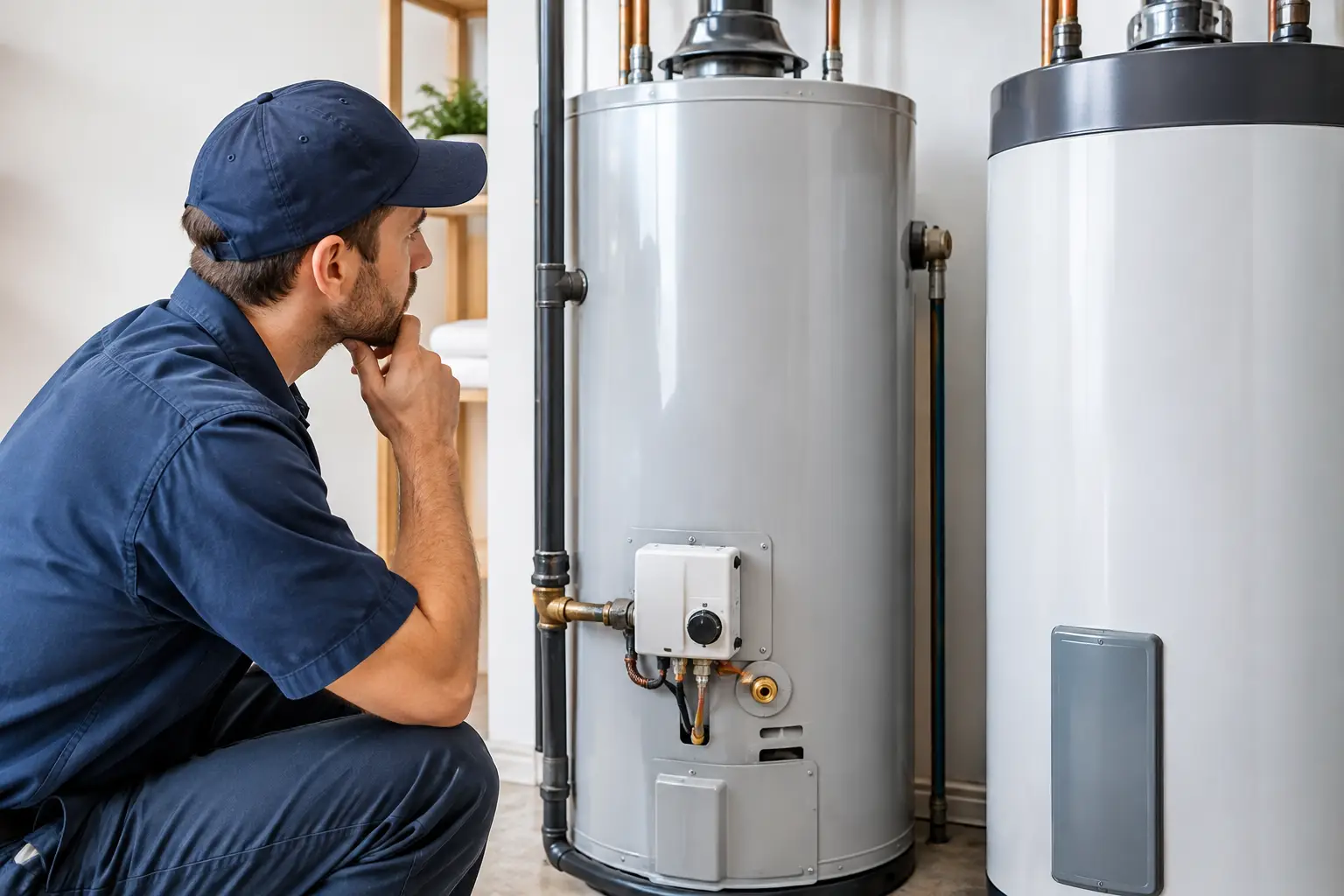
A cold shower is inconvenient. A leaking water heater in a ceiling void, utility cupboard, or apartment bathroom can become a property damage issue quickly. When deciding whether to repair versus replace water heater equipment, the right answer depends on the fault, the unit's age, its condition, and whether a repair will provide reliable service rather than just delay the next breakdown.
For Dubai homes and commercial properties, water heaters work hard year-round. High water temperatures, mineral buildup, aging valves, and electrical component failures can all affect performance. A professional inspection should identify the root cause first, then explain the repair and replacement options clearly before work begins.
Repair Versus Replace Water Heater: Start With the Fault
Not every water heater problem means the tank has reached the end of its life. Many common failures are repairable when the tank itself is sound and the unit has been maintained reasonably well.
A lack of hot water may be caused by a failed heating element, thermostat, electrical connection, tripped breaker, or faulty isolator. These issues can often be repaired without replacing the complete heater. Similarly, a small leak from a pressure relief valve, inlet connection, outlet connection, or drain valve may be resolved by replacing the affected fitting or valve.
A technician should test the electrical supply, thermostat operation, heating element resistance, pressure relief system, and visible connections. This avoids replacing a water heater when the actual problem is external to the unit.
Replacement becomes the more sensible option when the inner tank is corroded, the body has rusted through, or water is leaking from the tank seam or base. A tank leak cannot usually be repaired safely or permanently. Patching it may stop a drip briefly, but it does not restore the tank's pressure integrity.
The Age of the Water Heater Matters
Age does not decide everything, but it is one of the most useful factors. Many conventional storage water heaters provide approximately eight to 12 years of service, depending on water conditions, installation quality, usage, and maintenance. Some fail sooner, while a well-maintained unit may last longer.
If a relatively new heater has a clear, isolated fault such as a defective thermostat or element, repair is usually good value. If an older heater has repeated faults, visible corrosion, slow heating, and a growing repair history, replacement may be more economical over the next year or two.
Check the manufacturing date on the unit label if it is available. Property owners should also consider how accessible the heater is. A failure in a false ceiling, enclosed cabinet, or upper-floor utility area can cause more disruption and water damage than a unit installed in an open service space. In these locations, replacing an unreliable old heater before it leaks may be the lower-risk decision.
When Water Heater Repair Is Usually the Better Choice
Repair is generally appropriate when the water heater is structurally sound, reasonably new, and the problem is limited to a serviceable component. It may also be the preferred option for a rental property where a prompt, targeted repair restores hot water with minimal disruption.
Common repairable issues include a failed heating element, inaccurate thermostat, damaged power cable, loose wiring connection, faulty pressure relief valve, leaking flexible hose, or sediment affecting performance. In some cases, adjusting the thermostat setting or correcting an electrical supply issue resolves the complaint.
A repair should come with a clear explanation of what failed, what part will be replaced, and whether there are signs of wider wear. This is especially important if the heater has already required service more than once. Honest diagnostics mean distinguishing between one worn component and a system that is beginning to fail in several areas.
Do not ignore warning signs simply because hot water is still available. A water heater that trips the breaker, gives a mild electric shock sensation, makes unusual popping sounds, emits a burning smell, or leaks near electrical connections requires prompt professional attention. Turn off power at the appropriate isolator or breaker and avoid touching wet electrical components.
When Replacing a Water Heater Makes More Sense
Replacement is normally recommended when the tank is leaking, badly corroded, or approaching the end of its practical working life with multiple faults. It is also worth considering when a repair cost is high compared with the cost of a suitable new unit, particularly if there is no confidence that other aging components will last.
Rust-colored water can indicate corrosion, although the source should be properly checked because pipework may also contribute. Visible rust around the tank, swelling, staining beneath the unit, or persistent moisture at the base are more serious indicators. These conditions may point to internal deterioration that cannot be corrected with a minor repair.
Replacement can also improve capacity and suitability. A household that has added bathrooms, changed occupancy, or installed a larger bathtub may have outgrown its existing heater. Conversely, an oversized heater can consume unnecessary energy. Selecting the correct capacity helps provide consistent hot water without paying to heat more water than the property uses.
For villas, it is often important to assess the full hot-water arrangement rather than one failed heater in isolation. Multiple units, circulation lines, booster pumps, and solar water-heating connections may affect performance. For apartments, access requirements, building approval procedures, and safe isolation arrangements may also influence the installation plan.
Compare the Full Cost, Not Just Today's Repair Bill
The least expensive immediate option is not always the best value. A small repair on a five-year-old water heater can be sensible. Replacing several parts on an older unit that has developed corrosion, however, may create a cycle of callouts, inconvenience, and rising costs.
Ask for a practical comparison: the cost of the repair, the expected condition of the remaining components, the cost of replacement, installation requirements, and the warranty available on the new unit and workmanship. A transparent estimate should state whether valves, hoses, electrical connections, mounting hardware, or pipe modifications are included.
It also helps to account for the cost of failure. A tank rupture can damage cabinetry, ceilings, flooring, electrical fixtures, and neighboring units. Landlords and property managers should weigh this exposure carefully, especially in vacant properties where a slow leak may remain unnoticed.
Energy use is another consideration. An old heater with scale buildup or failing components may take longer to heat water. A properly sized replacement with appropriate insulation and correctly set controls can offer more dependable performance. Savings vary by usage pattern, so efficiency alone does not always justify replacement, but it can strengthen the case where the existing unit is already unreliable.
Safety and Installation Quality Are Non-Negotiable
Water heaters combine electricity, pressurized water, and heat. Repairs and replacements should not be treated as general handyman work when electrical testing, pressure relief protection, or concealed pipe connections are involved.
A correct installation includes secure mounting, appropriate electrical isolation, safe wiring, tested earthing, sound pipe connections, and a functioning pressure relief arrangement. The technician should also check for leaks after the tank fills and confirm that the heater cycles correctly. If a replacement involves a different size or model, the mounting location and load requirements should be reviewed before installation.
For homes in Dubai, local water conditions make preventive checks worthwhile. Periodic inspection can identify minor leaks, aging hoses, corrosion, and deteriorating valves before they become an urgent callout. This is particularly useful before a property is handed over to a tenant, after a long vacancy, or during planned annual maintenance.
A Simple Decision Framework
Choose repair when the heater is relatively young, the tank is intact, the fault is clearly identified, and the repair provides a reasonable expectation of continued service. Choose replacement when there is tank leakage, substantial corrosion, repeated failures, unsuitable capacity, or a repair cost that is difficult to justify on an aging unit.
If the situation is unclear, do not make the decision based on a photo or a guess. A site inspection can establish whether the leak is from a replaceable valve or from the tank itself, whether the issue is electrical or mechanical, and whether the existing installation remains safe.
Since 2005, DHRS Dubai has helped property owners, tenants, and managers make these decisions with practical inspections and upfront recommendations. The aim is not to replace equipment unnecessarily, but to restore safe hot water and reduce the chance of a more expensive failure later.
A water heater should be dependable in the background of daily life. Addressing the first signs of leakage, inconsistent temperature, or electrical faults gives you more options - and more control over the cost.
Need Home Maintenance in Dubai?
Contact the experts at DHRS Dubai for fast, reliable service.
Get a Quote