
What Causes Flickering Lights? Common Home Faults
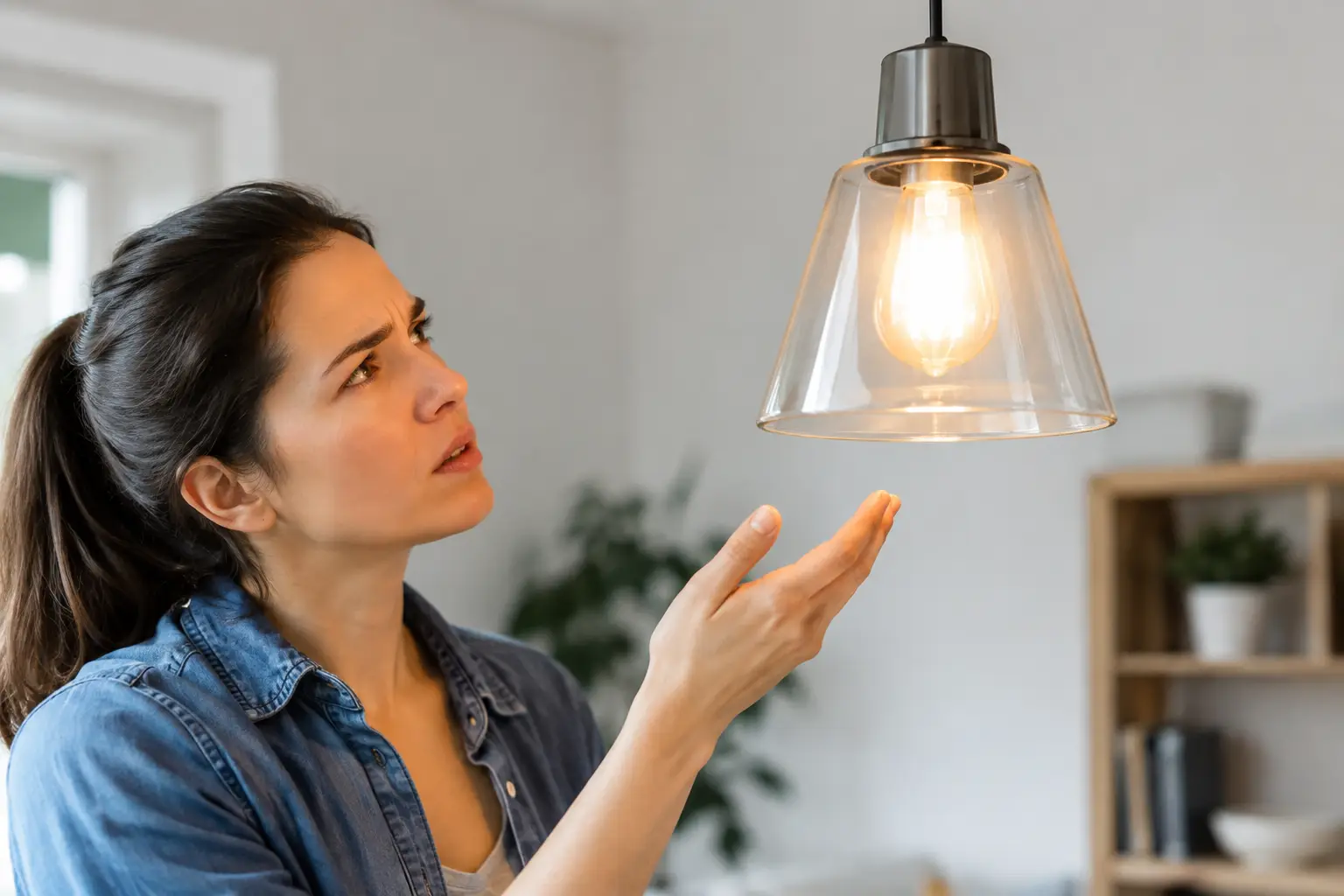
A light that flickers once when an AC unit starts may be a minor voltage dip. A light that repeatedly dims, brightens, buzzes, or flickers across several rooms is different. Understanding what causes flickering lights helps you separate a simple bulb issue from an electrical fault that needs prompt professional attention.
For Dubai homes and offices, flickering can be especially frustrating because lighting is often tied to dimmers, smart switches, decorative fixtures, LED drivers, and heavy electrical loads such as air conditioning systems, water heaters, and kitchen appliances. The visible symptom may be small, but the root cause can range from a loose bulb to a failing connection in the electrical panel.
What Causes Flickering Lights in a Home?
The fastest way to narrow down the cause is to look at the pattern. Does one bulb flicker, one light fitting flicker, lights in a single room flicker, or do lights throughout the property change brightness? Each pattern points to a different part of the electrical system.
A loose bulb or poor lamp-holder contact
If only one bulb flickers, start with the bulb and its fitting. An LED bulb that is not fully seated in its socket may lose contact intermittently. Turn the switch off, allow the bulb to cool, then check that it is properly fitted. If the flicker continues, test a compatible replacement bulb.
The lamp holder itself may also be worn, corroded, or loose. This is more common in older fittings, outdoor lights exposed to humidity, and decorative fixtures where the bulb is frequently changed. Do not force or bend internal contacts. A damaged holder should be replaced by a qualified electrician.
An incompatible LED bulb and dimmer switch
LED lighting uses far less power than traditional incandescent lamps, but not every LED bulb works correctly with every dimmer. A non-dimmable LED on a dimmer circuit can flicker, pulse, or fail early. Even a dimmable LED may flicker when paired with an old dimmer designed for higher-wattage halogen bulbs.
This issue is often most obvious at lower brightness settings. The solution may be as simple as using a dimmable LED from a suitable range, but some circuits need an LED-compatible dimmer installed. In smart homes, compatibility between the bulb, driver, switch, and automation system also matters.
A failing LED driver or transformer
Many ceiling spotlights, strip lights, cove lights, and pendant fixtures use a separate LED driver rather than a standard screw-in bulb. The driver regulates power to the light. When it begins to fail, the lights may flicker, flash, dim unevenly, or stop working after they have been on for a while.
Heat is a common contributor. Drivers enclosed in tight ceiling voids or installed close to heat-producing equipment can deteriorate sooner. A technician should identify the correct driver rating and replace it with a properly matched component rather than fitting an unsuitable alternative.
A loose switch, fixture, or wiring connection
Loose electrical connections are a common reason for persistent flickering. The issue may be inside a wall switch, junction box, ceiling rose, light fitting, or circuit breaker panel. As current passes through a loose connection, it can create resistance and heat. Flickering may be the first sign, followed by a warm switch plate, buzzing sound, burning smell, or discoloration.
This is not a repair to attempt by tightening wires yourself. Electrical work in a live or incorrectly isolated circuit can cause shock, arcing, or fire. An electrician should isolate the circuit, inspect the terminations, repair the connection, and test the circuit afterward.
Voltage drops from large appliances
A brief dip in lighting when an air conditioner compressor, refrigerator, water pump, washing machine, or water heater starts can happen because the equipment draws a higher starting current. A single, slight dip may not indicate a serious problem, especially in a property with heavy loads operating at the same time.
However, frequent or pronounced flickering is not something to ignore. It may indicate an overloaded circuit, undersized cabling, poor connections, a fault in the appliance, or an issue with the electrical supply. In villas, pumps and multiple AC systems can place significant demand on the installation. In apartments, a faulty appliance or shared building supply issue may affect multiple units or common-area lighting.
Circuit overloads and aging electrical components
Overloaded circuits are more likely where new appliances, extra lighting, kitchen equipment, or smart-home devices have been added without reviewing the existing electrical load. Extension leads and multi-plug adapters can also conceal how much equipment is running from one circuit.
Older circuit breakers, damaged cables, deteriorated insulation, and poorly completed previous alterations can all contribute to unstable lighting. Flickering alone does not prove the exact fault, which is why proper diagnosis matters. A professional electrician should inspect the circuit load, breaker condition, cable connections, and voltage readings before recommending repairs or replacement.
Electrical panel or utility supply problems
If multiple lights flicker in different rooms, especially when no major appliance has started, the source may be upstream from the individual fittings. A loose neutral connection is one serious possibility. This can cause lights to become unusually bright or dim and may damage sensitive electronics.
In some cases, the problem may involve the main electrical panel, meter connection, building distribution system, or utility supply. If neighboring properties or common areas are experiencing the same issue, notify building management or the relevant utility provider. An electrician can help establish whether the fault is inside your property or external to it.
When Flickering Lights Need Urgent Attention
Turn off the affected circuit where it is safe to do so and arrange professional electrical inspection promptly if flickering is accompanied by a burning smell, crackling, sparking, smoke, repeated breaker trips, a hot switch or outlet, or visible scorch marks. These are warning signs of overheating or arcing, not normal lighting behavior.
You should also treat sudden widespread flickering as urgent if lights become noticeably brighter as well as dimmer. Avoid repeatedly resetting a breaker that trips. It is designed to protect the circuit, and repeated tripping can point to an overload, short circuit, earth fault, or equipment failure.
For tenants, report the issue to the landlord or property manager while documenting the rooms and appliances affected. For offices and commercial properties, isolate non-essential equipment if safe and arrange a fault assessment quickly. Unstable voltage can affect computers, network equipment, security systems, and appliances as well as lighting.
Safe Checks You Can Make Before Booking an Electrician
There are a few observations that make a service visit more efficient. Check whether the flicker affects one bulb, one fixture, one room, or the entire property. Notice whether it happens when the AC, water heater, pump, or another appliance starts. If a dimmer is involved, note whether the problem is worse at low settings.
You can safely switch off power at the wall before replacing a standard accessible bulb with a known compatible bulb. Beyond that, avoid removing switch covers, opening the electrical panel, or handling exposed wiring. These checks should be carried out by a qualified professional using appropriate test equipment.
It also helps to record when the issue began, whether there was recent electrical work, and whether any breaker has tripped. A short video of the flickering can be useful when the fault is intermittent.
How an Electrician Finds the Root Cause
A proper inspection is more than changing a bulb and hoping the problem disappears. The electrician should begin by identifying the affected circuit and checking the fixture, switch, bulbs, dimmer compatibility, and LED drivers. They may then test circuit voltage, connections, load behavior, breaker condition, and continuity as required.
The right repair depends on the findings. It could be a compatible bulb, a new driver, a replacement dimmer, repaired wiring, circuit load correction, or work at the panel. Recommending replacements only when genuinely required helps avoid unnecessary cost while addressing the actual safety issue.
For homes, villas, and commercial properties in Dubai, DHRS Dubai provides electrical fault finding with clear diagnosis and practical repair recommendations. If your lights flicker repeatedly, across multiple areas, or alongside any warning signs, booking an expert inspection is the sensible next step. A stable lighting circuit should be something you never have to think about - and when it is not, early action can protect both your property and the people using it.
Need Home Maintenance in Dubai?
Contact the experts at DHRS Dubai for fast, reliable service.
Get a Quote