
What Causes Circuit Breaker Trips at Home?
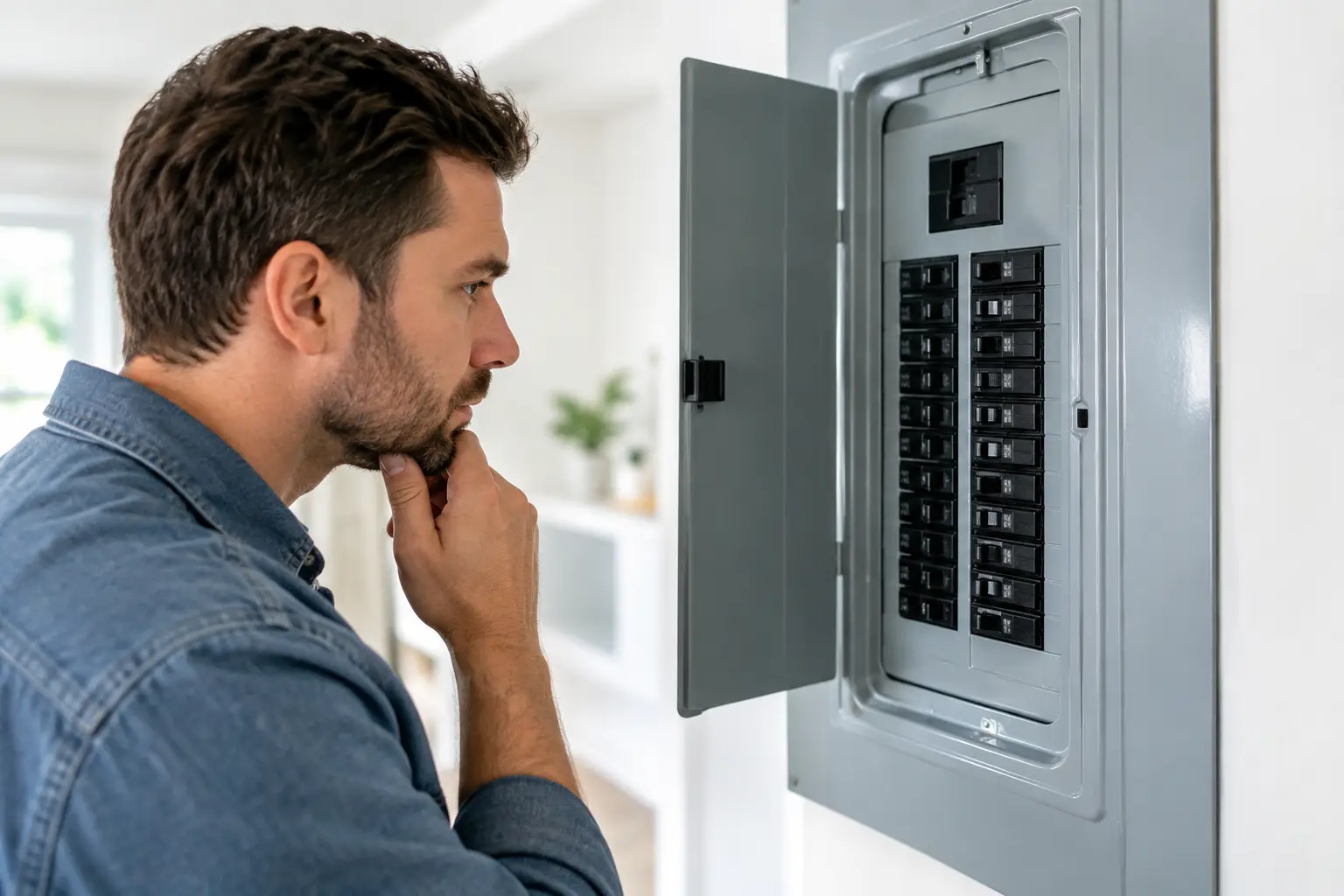
A breaker that trips once may be doing exactly what it is designed to do. A breaker that trips repeatedly, especially after you reset it, is a warning that should not be ignored. Understanding what causes circuit breaker trips helps homeowners, tenants, landlords, and office managers respond safely before a minor electrical fault becomes damaged equipment, an overheated cable, or a fire risk.
Circuit breakers cut power when they detect conditions that could harm wiring, appliances, or people. The cause may be as simple as too many high-load appliances on one circuit. It can also be a hidden fault in an AC unit, water heater, outlet, cable, or electrical panel. The timing of the trip and the equipment in use provide useful clues, but electrical diagnosis should always start with safety.
What Causes Circuit Breaker Trips?
The most common causes are circuit overloads, short circuits, ground faults, faulty appliances, and problems within the breaker panel or fixed wiring. In Dubai properties, electrical demand can be particularly high when AC systems, water heaters, kitchen appliances, pumps, and outdoor equipment run at the same time.
A breaker is not a nuisance switch. It is a protective device calibrated for a specific circuit capacity. Resetting it without identifying why it tripped may allow the same unsafe condition to continue.
Circuit overloads
An overload occurs when a circuit is asked to supply more current than its wiring and breaker are designed to handle. This often happens in kitchens, utility rooms, workshops, and offices where several appliances share outlets on the same circuit.
For example, a microwave, kettle, toaster, and coffee machine operating together can overload a kitchen circuit. In a bedroom or living area, portable heaters, irons, extension leads, gaming equipment, and chargers can have a similar effect. In commercial spaces, printers, pantry equipment, and multiple workstations may overload circuits that were not designed for the added load.
Overload trips often occur while several appliances are running and may stop when one or more appliances are switched off. That does not necessarily mean the issue is solved. If the circuit regularly operates near its limit, a qualified electrician should assess whether loads can be redistributed or whether a dedicated circuit is needed.
Short circuits
A short circuit happens when an energized wire contacts a neutral wire or another unintended conductive path. This creates a sudden high current flow, causing the breaker to trip very quickly.
Short circuits can result from damaged appliance cords, loose terminals, crushed cables behind furniture, worn insulation, failed components, or incorrect electrical work. You may notice a sharp popping sound, a burning smell, scorch marks, or a breaker that trips immediately whenever it is reset. These signs require professional inspection. Do not keep attempting resets.
Ground faults and moisture exposure
A ground fault occurs when electricity flows from a live conductor to an earthed surface or component. This is especially serious in wet or damp areas because moisture lowers resistance and increases the risk of electric shock.
Bathrooms, kitchens, laundry areas, balconies, gardens, and outdoor AC equipment are common locations for moisture-related electrical problems. A leaking water heater, condensation near an AC connection, water entering an outdoor outlet, or a plumbing leak behind a wall can trigger a protective device.
In villas, landscape lighting, pool equipment, gate motors, and external sockets need periodic inspection because heat, dust, irrigation water, and weather exposure can degrade fittings and cable insulation over time.
A faulty appliance or fixed equipment
Sometimes the circuit is healthy, but one appliance is causing the trip. Water heaters, washing machines, dishwashers, refrigerators, ovens, AC units, pumps, and older power strips are frequent sources of faults because they contain heating elements, motors, compressors, or electronics that can fail internally.
A useful clue is whether the breaker trips only when a particular item starts. If the breaker trips when the water heater is switched on, for instance, the heating element or its wiring may be faulty. If it trips when the AC starts cooling, the issue could involve the compressor, capacitor, isolator, indoor or outdoor wiring, or a control component.
Do not open appliances, remove electrical covers, or bypass an isolator to test a suspected fault. An electrician can test the circuit and equipment using the correct instruments, then explain whether repair or replacement is genuinely required.
Loose connections and aging wiring
Loose terminals create resistance, and resistance creates heat. Over time, heat can damage insulation, outlets, switches, breakers, and connection points inside the electrical panel. A loose connection may cause intermittent trips, flickering lights, a warm outlet faceplate, buzzing, or a burning odor.
Older properties, properties that have been renovated in stages, and units with unverified previous electrical work can be more vulnerable. Heat and heavy AC use can also expose weaknesses in connections that appeared stable under lighter loads.
This is not a repair to postpone. A technician should isolate the supply, inspect the affected circuit, tighten or replace damaged components where appropriate, and test the repair under normal load.
A worn or defective circuit breaker
Breakers can fail too. Although they are built to operate repeatedly, age, heat exposure, internal wear, incorrect sizing, and repeated overloads can affect performance. A defective breaker may trip too easily, fail to remain reset, feel unusually hot, or show visible damage.
However, replacing a breaker without testing the circuit is not a proper solution. If a new breaker is installed on a circuit with a genuine fault, it will trip again. Installing a larger-rated breaker to stop trips is even more dangerous unless an electrician has confirmed that the cable size, circuit design, and connected equipment safely support it.
What to Do When a Breaker Trips
Start by treating every trip as a potential safety issue. If there is smoke, sparking, a burning smell, visible damage, water near electrical equipment, or someone has received an electric shock, keep clear of the area and arrange urgent professional assistance.
If there are no immediate danger signs, take these practical steps:
- Switch off and unplug appliances on the affected circuit before touching the electrical panel.
- Reset the breaker once only by moving it fully to the OFF position, then back to ON.
- Reconnect appliances one at a time if the breaker remains on, stopping immediately if it trips again.
- Record what was running, which rooms lost power, and whether the trip followed rain, a leak, AC operation, or water-heater use.
This process can help identify a possible appliance-related fault, but it is not a substitute for electrical testing. Never hold a breaker in place, tape it on, repeatedly reset it, or replace it with a higher rating yourself.
When a Repeated Trip Needs an Electrician
A single trip after an obvious overload can sometimes be resolved by reducing the load. Repeated trips need a closer look, particularly when the cause is unclear. Arrange electrical fault finding if the breaker trips immediately after resetting, trips with no appliances connected, affects lights or multiple rooms, occurs during AC or water-heater operation, or is accompanied by heat, buzzing, discoloration, or burning smells.
For landlords and property managers, recurring trips should be documented and repaired promptly. Aside from the safety issue, unresolved electrical faults can lead to tenant disruption, equipment damage, emergency callouts, and avoidable downtime in offices or retail spaces.
A proper inspection should identify the root cause rather than simply restore power. This may include checking the panel, testing insulation resistance, inspecting outlets and isolators, verifying cable connections, measuring appliance load, and assessing whether the existing circuit is appropriate for the equipment connected to it. DHRS Dubai provides practical electrical fault finding with clear explanations of the issue, recommended work, and any parts required before repairs proceed.
Preventing Future Breaker Trips
Prevention is mostly about managing electrical load and addressing early warning signs. Avoid connecting several high-wattage appliances to one extension lead or outlet. Use properly rated power strips only where suitable, and do not run cables under rugs, through doorways, or where they can be crushed.
Schedule checks for high-use fixed equipment, especially AC systems, water heaters, pumps, kitchen appliances, and outdoor electrical points. If you are renovating, adding a home office, installing EV charging, upgrading kitchen equipment, or fitting smart-home devices, have the electrical capacity reviewed first. The correct solution may be a new dedicated circuit, an upgraded outlet, or a properly designed load distribution plan.
A circuit breaker trip is useful information from your electrical system. Respond calmly, avoid repeated resets, and get the underlying fault checked when the pattern is not clear. Early diagnosis protects the people using the property and helps keep essential systems running when you need them most.
Need Home Maintenance in Dubai?
Contact the experts at DHRS Dubai for fast, reliable service.
Get a Quote