
Water Filtration for Dubai Homes and Offices
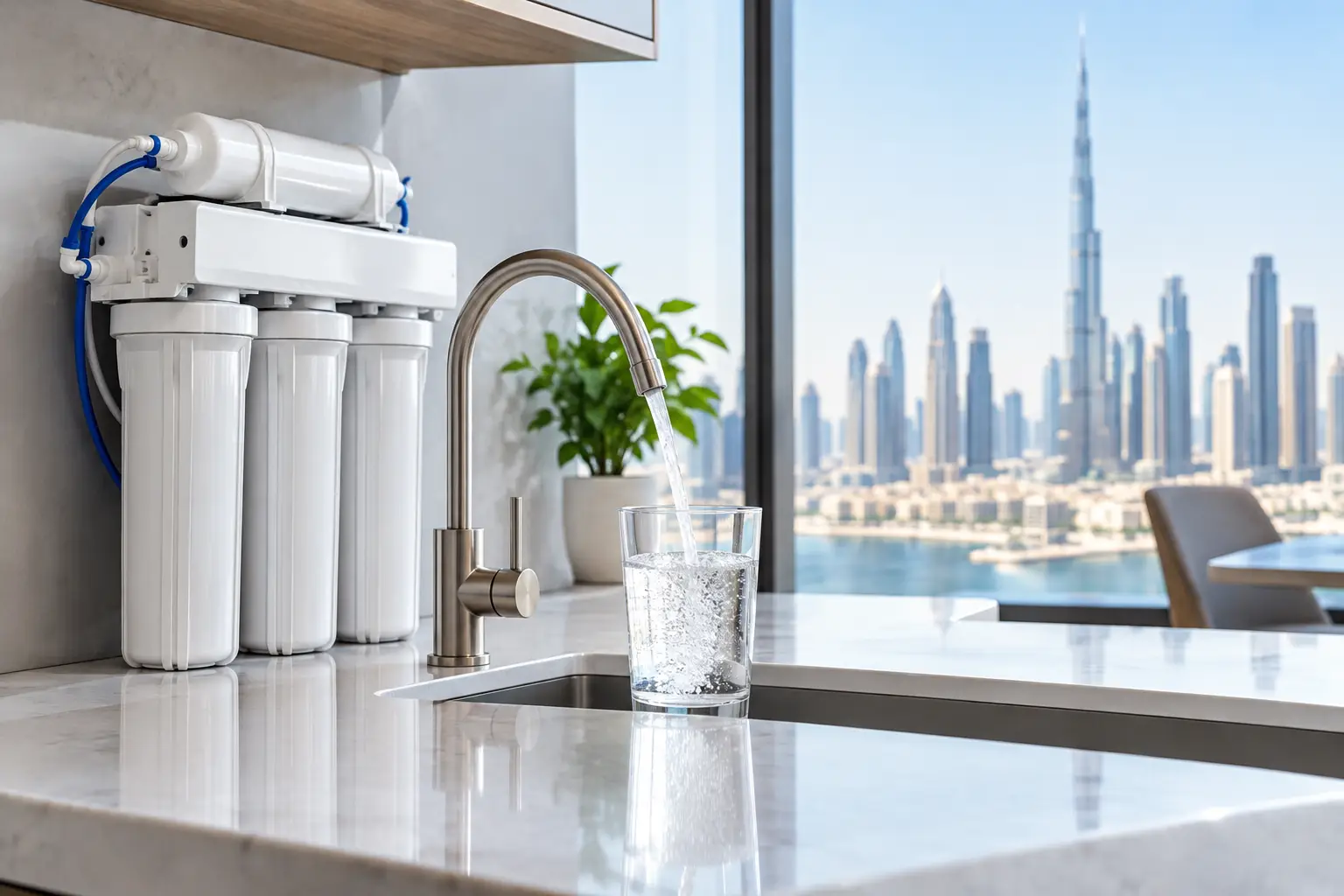
A glass of water can look completely clear and still leave an unpleasant taste, show white scale around a kettle, or carry fine particles from an aging building tank. That is why water filtration is not a one-size-fits-all purchase for Dubai homes and offices. The right setup depends on where the concern starts: the incoming supply, a storage tank, internal pipework, or a single drinking-water point.
For villa owners, apartment residents, landlords, and facility managers, the practical goal is simple: understand the water entering the property, select filtration that addresses the actual issue, and maintain it before performance drops. A system that is poorly sized, installed in the wrong location, or left without filter changes can create expense without delivering the expected result.
Start With the Water Issue, Not the Filter
Dubai's water supply is generally treated and managed to applicable standards, but the water reaching a tap can be affected by the property's own plumbing system. Many buildings and villas use storage tanks, booster pumps, long pipe runs, and fixtures with different ages and materials. Sediment can collect in tanks and pipework. Scale can form where water is heated. A noticeable chlorine taste may be more apparent at some outlets than others.
Before choosing equipment, identify what you are seeing or experiencing. Cloudiness, floating particles, odor, staining, low flow, scale buildup, and an unusual taste do not all have the same cause. For example, a cartridge filter can trap sediment, but it will not correct a tank that needs cleaning. A reverse osmosis unit may improve drinking-water taste and reduce dissolved solids, but it is not a substitute for repairing corroded pipes or resolving contamination concerns at the source.
A professional inspection should consider the water source, tank condition, current plumbing layout, pressure, household demand, and intended use. In a villa, the best answer may be whole-house pre-filtration combined with a dedicated drinking-water system in the kitchen. In an office, point-of-use filtration near pantry sinks may be more practical than treating every washroom tap.
Common Water Filtration Options
Different technologies solve different problems. The most appropriate choice often combines more than one stage rather than relying on a single cartridge.
Sediment Filtration
Sediment filters remove visible particles such as sand, rust, silt, and debris. They are often fitted at the main incoming line or after a water tank, where they can protect fixtures, appliances, water heaters, and finer downstream filters.
Filter micron rating matters. A lower micron rating captures smaller particles but may reduce water flow faster if the water has a high sediment load. This is why correct housing size, flow capacity, and regular replacement are just as important as the filter itself.
Carbon Filtration
Activated carbon is commonly used to improve taste and reduce chlorine-related odor. It can be useful at a kitchen drinking-water point or as part of a multi-stage system. Carbon filters have limited capacity, so they need scheduled replacement even when the water still appears clear.
A carbon filter should not be assumed to remove every dissolved contaminant. Its performance depends on the filter media, contact time, water flow, and the specific substance involved.
Reverse Osmosis Systems
Reverse osmosis, often called RO, uses a membrane to reduce many dissolved solids and is widely selected for drinking water. A typical under-sink RO system may include sediment and carbon pre-filters, the RO membrane, and a final taste filter.
RO can provide a noticeably different drinking-water experience, but it has trade-offs. It requires suitable water pressure, needs periodic servicing, produces reject water during operation, and usually serves one dedicated faucet rather than the entire property. Installation should also account for drainage access, cabinet space, shutoff valves, and leak protection.
UV Treatment
Ultraviolet treatment is designed to address microbiological risks when water is clear enough for UV light to work effectively. It does not remove sediment, salts, scale, or chemical tastes. UV equipment is usually considered alongside proper tank cleaning and pre-filtration, not as a standalone answer to every water concern.
Scale Control and Softening
Hard-water minerals can leave white deposits on faucets, shower screens, kettles, and heating elements. Some properties benefit from scale-control solutions or water softening, particularly where protecting water heaters, appliances, and plumbing fixtures is a priority.
The right approach depends on water chemistry, desired use, maintenance requirements, and available installation space. A system intended to protect a water heater may differ from one designed to improve drinking water at a kitchen sink.
Whole-House or Point-of-Use Water Filtration?
The decision usually comes down to what you want to protect and where you want treated water. Whole-house filtration is installed near the main water entry or after a storage tank. It can reduce sediment throughout the property and help protect shower mixers, washing machines, dishwashers, water heaters, and plumbing fixtures.
Point-of-use filtration is installed at one outlet, most often a kitchen sink. It is a focused and usually more economical option when the main requirement is better drinking and cooking water. It also avoids placing a high-maintenance fine filter on the entire household water supply.
For many Dubai properties, a combined setup is sensible: a mainline sediment stage to protect the plumbing system, plus a dedicated multi-stage drinking-water unit. The final recommendation should follow an inspection rather than a generic package. A large family villa, a studio apartment, a restaurant pantry, and an office floor have very different flow and usage patterns.
Why Tank Cleaning Still Matters
Water filtration works best when the system starts with clean storage. If a water tank contains sediment, biofilm, or accumulated debris, filters can clog quickly and water quality can vary shortly after a cartridge change. Replacing filters repeatedly without addressing the tank is not an efficient maintenance plan.
Tank cleaning and water filtration perform separate jobs. Tank cleaning removes buildup from the storage environment. Filtration helps manage particles and other concerns as water moves through the property. Together, they support cleaner water pathways and reduce unnecessary strain on cartridges, pumps, and fixtures.
Property managers should also consider the full route from tank to tap. Damaged tank covers, poorly sealed access points, aging flexible hoses, corroded fittings, and stagnant sections of pipework can affect results. A careful technician checks these practical details before recommending upgrades.
Installation Details That Affect Performance
A quality filter is only as effective as its installation. Mainline systems need properly selected pipe connections, isolation valves, bypass arrangements where appropriate, accessible filter housings, and adequate clearance for cartridge changes. A unit installed behind fixed cabinetry or above an inaccessible ceiling will be difficult to service correctly.
Water pressure is another key consideration. Low pressure can reduce flow through fine filtration stages and may prevent an RO system from operating as intended. High pressure may require regulation to protect components. Any existing leaks, weak valves, or damaged pipework should be addressed before new equipment is connected.
For under-sink systems, the installer should confirm that the drain connection is secure, the dedicated faucet is fitted correctly, and all joints are tested after installation. Small leaks inside a kitchen cabinet can go unnoticed until they damage cabinetry or flooring.
DHRS Dubai approaches water filtration as part of the wider plumbing system, with inspection, clear recommendations, and upfront communication on required filters, parts, and ongoing service needs.
Maintaining Your System Without Guesswork
Filter replacement schedules are not identical for every property. They depend on water usage, sediment levels, system capacity, and the type of filter installed. A family that cooks frequently and fills several bottles each day will use a kitchen system differently from a lightly occupied apartment.
Watch for practical signs that service is due: reduced flow, a return of odor or taste, visible discoloration in a clear filter housing, unusual noise from an RO pump, leaks, or a system indicator alert. Do not wait for a filter to become completely blocked. Restricted filters can reduce water pressure and place extra load on pumps or connections.
Keep a service record showing installation date, cartridge type, membrane changes, and any tank-cleaning work. This is especially useful for landlords, property managers, and businesses responsible for several units. It also makes it easier to budget for planned maintenance instead of arranging urgent visits after a system fails.
When to Request a Professional Inspection
Book an inspection if the water suddenly changes color or odor, if multiple taps have low pressure, if filters clog far sooner than expected, or if there is a leak around the filtration equipment. These symptoms can point to issues beyond the filter itself, including tank contamination, plumbing debris, pressure problems, or failing valves.
If you are installing a new system, ask for a recommendation based on your property layout and water use, not only the equipment price. The lowest-cost unit can become expensive when it restricts flow, requires frequent replacement cartridges, or does not address the reason you installed filtration in the first place.
Clean, dependable water starts with a clear view of the entire system. A well-planned inspection can help you spend on the filtration that solves your actual problem and avoid paying for equipment your property does not need.
Need Home Maintenance in Dubai?
Contact the experts at DHRS Dubai for fast, reliable service.
Get a Quote