
How to Detect Pipe Leaks Before Damage Spreads
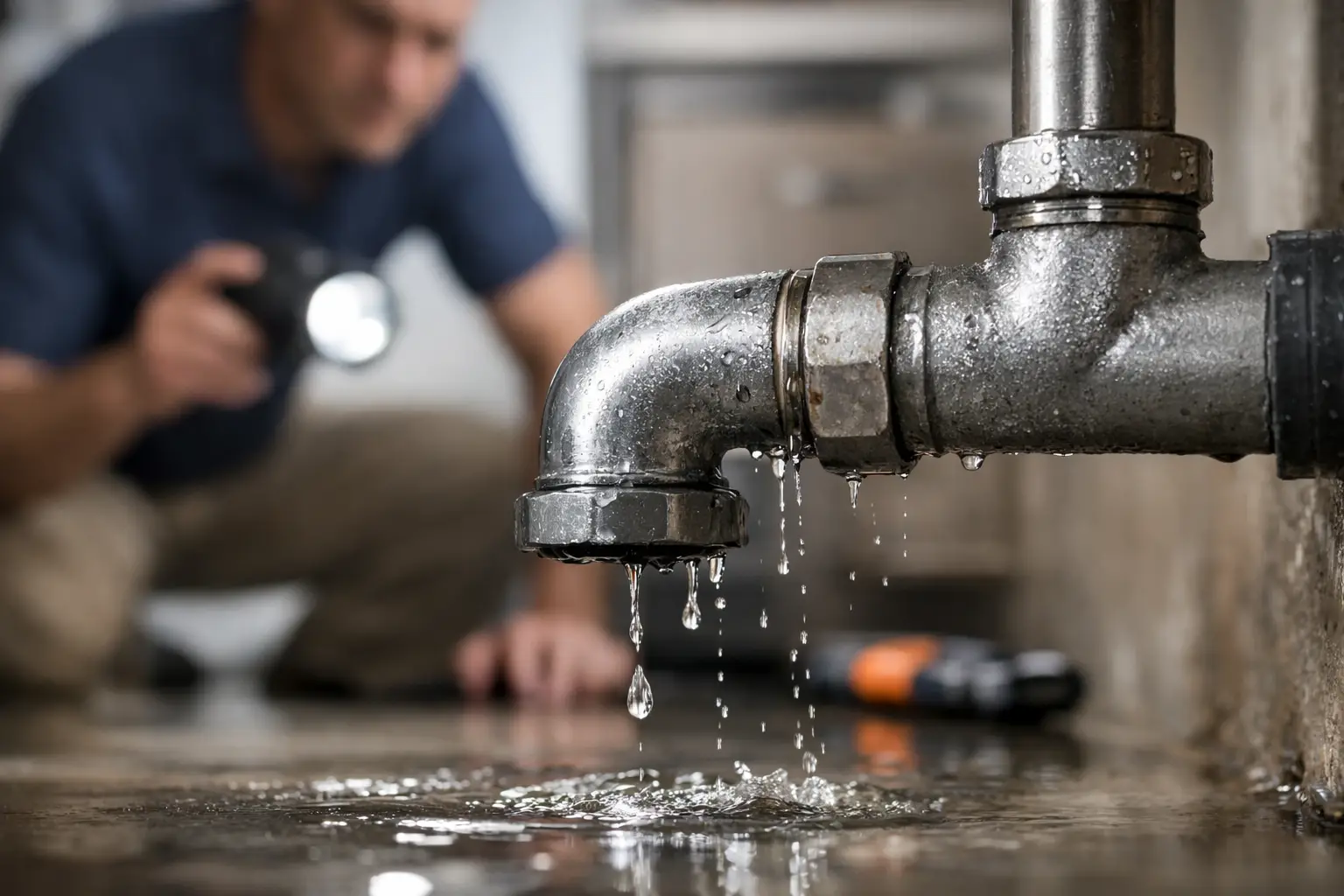
A small wet patch beneath a kitchen sink can be obvious. A leak inside a villa wall, beneath tiled flooring, or above a false ceiling is not. The difference matters: knowing how to detect pipe leaks early can prevent damaged finishes, mold growth, high water bills, and disruption to tenants or business operations.
In Dubai properties, concealed plumbing leaks can be particularly easy to miss. AC condensation, irrigation systems, water heaters, and pipes routed through concrete walls or ceilings can all create moisture in similar places. The goal is not to guess the source. It is to narrow down the evidence, isolate the affected system, and arrange a proper repair before a minor leak becomes a larger property issue.
Start With the Signs You Can See and Hear
Most pipe leaks provide clues before they cause visible damage. Start by checking areas where water is used or where plumbing lines commonly run: under sinks, behind toilets, around water heaters, below bathroom vanities, inside kitchen cabinets, and near washing machines and dishwashers.
Look for persistent dampness, swelling cabinet panels, peeling paint, discolored grout, cracked caulk, or a musty smell. On ceilings, a yellow or brown stain, bubbling paint, or a soft area may indicate a leak from the unit above, a bathroom pipe, or a concealed line. Do not assume it is simply humidity, especially if the mark grows after showers or regular water use.
Listen as well. A faint hissing sound when all taps are closed may point to a pressurized pipe leak. The sound of water running inside a wall, a toilet that refills intermittently, or a water heater relief valve that constantly drips also deserves attention. These issues do not always mean a broken supply pipe, but they can waste significant water over time.
How to Detect Pipe Leaks With a Water Meter Test
A water meter test is one of the most useful checks for a concealed leak. It works best when no one is using water and all water-consuming equipment is off.
First, turn off taps, showers, washing machines, dishwashers, irrigation systems, and water features. Make sure toilets are not actively refilling. Then locate the water meter and note the reading. Many meters have a small leak indicator that spins even with very low water flow.
Wait at least 30 minutes without using any water, then check the meter again. For a more reliable result, run the test overnight. If the reading changes or the leak indicator moves, water is leaving the system somewhere. That may be a pipe leak, a faulty toilet fill valve, a dripping faucet, an irrigation valve, or a water heater issue.
The test confirms that there is unwanted water use, but it does not identify the exact location. In apartments, access to the meter and shared building plumbing can vary. A building management team may need to confirm whether the meter serves only your unit or whether the suspected leak could be on a common line.
Check Toilets Before Assuming a Hidden Pipe Leak
A silently leaking toilet is common and can make a meter test appear positive. Add a few drops of food coloring to the toilet tank and wait 15 to 20 minutes without flushing. If color appears in the bowl, the flapper valve is leaking and should be repaired or replaced.
Also check the flexible hose, isolation valve, and the base of the toilet for moisture. If water appears around the toilet base only after flushing, the issue may be with the seal or drain connection rather than the pressurized water supply.
Compare Your Water Bills and Usage Pattern
An unexplained increase in water consumption is often the first sign of a slow leak. Compare recent bills with the same season or similar occupancy period. A higher bill does not prove a pipe failure, because new landscaping, guests, more frequent cleaning, or changes to irrigation schedules can all affect usage.
However, a steady increase with no practical explanation warrants investigation. For landlords and property managers, regular meter readings are especially useful between tenancies or when a property is vacant. If the meter continues moving in an empty apartment or villa, the source should be found quickly.
Separate Plumbing Leaks From AC Condensation
Dubai residents often find water near ceilings, fan coil units, or AC ducts and assume a pipe has burst. Sometimes the cause is an overflowing AC drain pan, blocked condensate drain, poorly insulated pipework, or duct sweating. These problems need repair, but the diagnostic approach is different from locating a plumbing leak.
A plumbing leak may continue regardless of whether the AC is running. AC-related moisture often becomes more noticeable during extended cooling operation and may be concentrated near an indoor unit, drain line, or duct connection. Water that is clean and appears only when the AC operates can suggest condensate, while staining around a bathroom or kitchen directly above may point toward plumbing.
Do not open ceilings or walls simply to investigate. It can create unnecessary damage and still fail to expose the source. A technician can use moisture readings, pressure checks, access points, and visual inspection to determine whether the water is from plumbing, drainage, or HVAC condensation.
Inspect High-Risk Areas in Villas and Apartments
Some areas deserve closer attention because they contain multiple fittings and connections. Check under the kitchen sink for loose trap fittings, worn supply hoses, and cabinet-base damage. Inspect water heater connections for corrosion, drips, or moisture at the pressure relief valve. Water heater leaks should not be ignored, particularly where the heater is installed above a ceiling or within a service cupboard.
In bathrooms, check around shower mixers, bidet hoses, basin connections, and concealed cistern access panels. A shower leak may only appear while the shower is operating, so inspect after use rather than when surfaces are dry. Cracked grout or failed silicone around a shower enclosure can also allow water into walls or adjacent rooms without a broken pipe.
For villas, check external hose bibs, irrigation valves, pump rooms, water tank connections, and garden areas with unusually green or soft patches. An underground irrigation leak can waste water for weeks before it becomes visible. In communities with landscaped plots, this is a frequent reason for unexpectedly high meter readings.
Know When a Drain Leak Is More Likely
Supply pipes leak under pressure, so their symptoms may continue even when no fixture is in use. Drain leaks behave differently. They usually occur only when water is sent through a sink, shower, floor drain, or appliance discharge line.
If dampness develops after using one bathroom, run water through fixtures one at a time. Start with the basin, then the shower, toilet, and floor drain. Leave enough time between tests to see whether moisture returns. This simple process can help identify the affected area, but avoid repeatedly soaking a damaged ceiling or wall while testing.
A drain leak can be caused by a failed joint, cracked trap, blocked line forcing water back, or deteriorated waterproofing. Repairing only the visible stain or repainting the ceiling will not solve the root cause.
What Not to Do When You Suspect a Leak
Avoid puncturing walls, lifting tiles, or tightening concealed fittings without knowing where the water is coming from. This can increase repair costs and create an electrical safety risk if moisture has reached switches, sockets, or ceiling lights.
If water is actively flowing, close the nearest isolation valve. If you cannot isolate the fixture, turn off the main water supply where safe to do so. Move valuables away from the affected area, place a container beneath a controlled drip, and switch off electricity to the area only if water is close to electrical equipment and you can do so safely.
For a leak affecting a neighboring unit, common corridor, or building structure, notify building management promptly. In apartment buildings, the responsible pipe may be within the unit, a shared riser, or the unit above, and early coordination prevents delays.
When Professional Leak Detection Is the Right Next Step
Call for expert inspection when the water meter moves with all fixtures off, a stain keeps expanding, there is a musty odor with no visible source, or you have recurring moisture after previous repairs. Professional leak detection is also the sensible option for concealed bathroom pipes, underground lines, and leaks above finished ceilings where unnecessary demolition is costly.
A qualified plumbing technician should inspect the symptoms, test pressure where appropriate, check accessible connections, and explain the likely root cause before recommending major work. Depending on the property and the suspected line, this may involve moisture detection, thermal assessment, pressure testing, or targeted access rather than opening large sections of wall.
DHRS Dubai has provided practical maintenance support since 2005, with technicians focused on clear diagnostics and repairs that address the source of the problem. Whether the issue is a concealed pipe, a water heater connection, an irrigation line, or AC condensate, the right diagnosis protects the property and avoids spending money on the wrong repair.
A leak rarely becomes easier or less expensive by waiting. If the meter test, visible signs, or unexplained water use suggest a problem, document what you see, limit water exposure where possible, and arrange an inspection before moisture reaches finishes, furniture, or electrical systems.
Need Home Maintenance in Dubai?
Contact the experts at DHRS Dubai for fast, reliable service.
Get a Quote