
Villa Painting Services Dubai That Protect Your Home
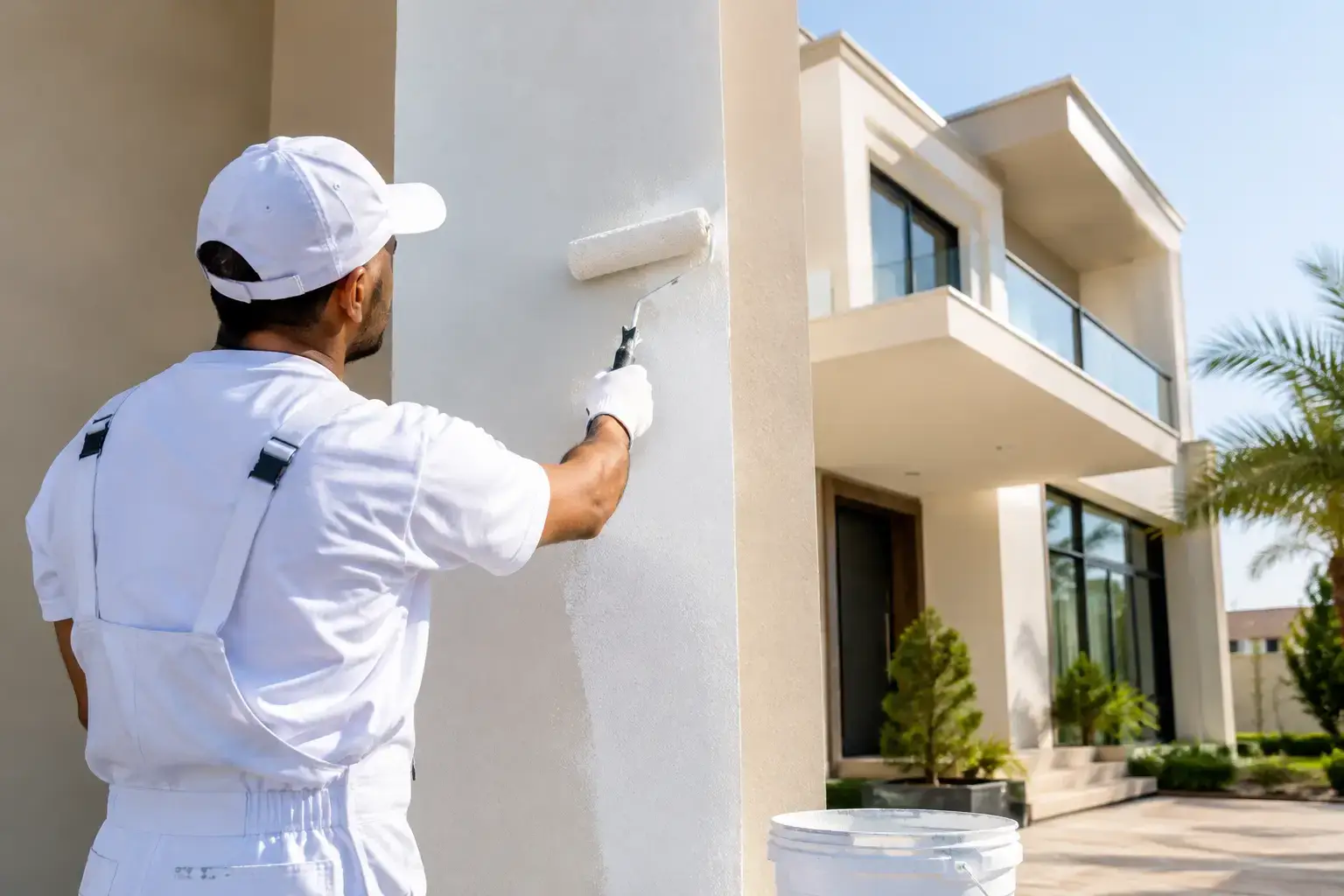
Fresh paint can make a villa feel newly handed over, but the result depends far more on preparation than the final coat. Professional villa painting services Dubai homeowners choose should address cracks, moisture marks, surface condition, and protection of furniture before a brush or roller reaches the wall. A fast paint job may look acceptable on day one, then reveal peeling edges, uneven sheen, or old stains within months.
For villa owners, landlords, and property managers, painting is also a practical maintenance decision. It protects interior finishes, improves the appearance of a rental property between tenancies, and keeps exterior surfaces better prepared for Dubai heat, dust, and humidity.
What a Proper Villa Painting Service Includes
Painting a villa is not the same as repainting one room in an apartment. Villas often have double-height areas, stairwells, decorative ceilings, boundary walls, wooden doors, metal railings, outdoor structures, and large quantities of fixed furniture. Each surface needs the right preparation and paint system.
A professional inspection should begin by confirming the scope. This includes identifying which rooms, walls, ceilings, doors, trims, exterior elevations, or boundary walls are included. It should also identify defects that painting alone will not solve, such as an active plumbing leak, AC condensation issue, water ingress, damaged gypsum, or movement cracks.
The core work usually includes surface cleaning, protection of floors and furnishings, filling minor cracks and holes, sanding rough areas, applying primer where required, and applying the agreed number of paint coats. The technician should also remove masking carefully, clean the work area, and inspect the finish with the customer before handover.
Preparation Determines How Long the Paint Lasts
The most common reason paint fails early is poor surface preparation. Paint cannot permanently hide dust, loose material, greasy marks, dampness, or flaking old coatings. Applying a new layer over an unstable surface simply covers the problem temporarily.
Interior walls should be assessed for hairline cracks, nail holes, previous patch repairs, smoke marks, and stains. Small cosmetic cracks can often be filled and sanded before painting. Wider or recurring cracks require closer attention because they may result from building movement, failed joint treatment, or moisture. A good contractor explains what can be repaired within the painting scope and what needs separate maintenance work.
Moisture deserves particular care. If a ceiling stain is caused by a leaking pipe, roof issue, or AC drain problem, repainting before the root cause is repaired wastes money. The stain may return, and damp conditions can damage the new finish. DHRS Dubai approaches this type of issue practically: diagnose and repair the source first, then restore the affected surface once it is dry and stable.
Exterior preparation is equally important. Dust, sun exposure, and occasional humidity can weaken coatings over time. Loose paint must be removed, cracks repaired with suitable exterior filler, and bare or chalky areas primed as needed. Exterior painting should be scheduled with weather conditions in mind, since excessive moisture or unsuitable temperatures can affect drying and adhesion.
Choosing Paint for Dubai Villa Interiors and Exteriors
The right paint depends on the room and the surface, not just the color. For most living rooms and bedrooms, a quality washable interior emulsion offers a clean finish and allows light marks to be wiped away. Matte finishes can hide minor wall imperfections, while eggshell or soft-sheen finishes are generally easier to clean. The trade-off is that higher-sheen paint can make uneven patching more visible under strong lighting.
Kitchens, utility areas, and children’s rooms often benefit from durable, washable finishes. Bathrooms require paint suitable for humid conditions, but paint is not a substitute for ventilation. If an exhaust fan is weak or absent, moisture can continue to affect ceilings and corners regardless of the coating selected.
For exterior walls, use a paint system designed for UV exposure and local conditions. Lighter colors can reduce heat absorption and tend to suit many Dubai villa facades, while darker shades may fade more noticeably and show dust sooner. Boundary walls, pergolas, gates, and railings may require different products from the main exterior wall paint. Metal needs anti-rust preparation, and wood needs a coating that can accommodate outdoor movement and sunlight.
How Villa Painting Services in Dubai Should Be Planned
A clear plan prevents most painting disputes. Before work starts, confirm the colors, finish level, areas included, paint brand or grade, number of coats, estimated duration, and whether furniture moving is included. If the villa is occupied, agree on which rooms will be completed first so the household can continue functioning with minimal disruption.
For an empty property, painting is often easiest before new tenants move in or before furniture is installed. Access is simpler, surfaces are easier to inspect, and there is less risk of paint transfer onto valuables. For occupied villas, experienced painters use drop sheets, plastic protection, masking tape, and careful daily cleanup. Homeowners should still remove fragile decorations, personal documents, and small valuables before the team arrives.
Community access can also affect scheduling. Some Dubai communities require contractor details, work permits, insurance documents, or specific working hours. This is particularly relevant in managed villa communities such as Dubai Hills Estate, Arabian Ranches, Palm Jumeirah, DAMAC Hills, and Emirates Hills. Confirm these requirements before booking, especially for exterior work or jobs involving ladders, scaffolding, or material deliveries.
A practical painting sequence
The work should move in a logical order: inspect and protect the property, complete repairs and surface preparation, apply primer where needed, paint ceilings and walls, complete doors and trims, then carry out a final touch-up and cleanup. If gypsum repairs, carpentry adjustments, electrical changes, or AC work are planned, coordinate them before final painting. Otherwise, completed walls can be cut into or marked by later trades.
What Affects the Cost of Painting a Villa
Villa painting costs vary because the true workload is not defined by the number of bedrooms alone. Ceiling height, total wall area, existing condition, number of colors, furniture protection, crack repair, exterior access, and paint quality all matter. A five-bedroom villa with clean, recently painted walls may require less preparation than a smaller villa with water damage, extensive cracks, and dark colors that need extra coats.
Be cautious with quotes that only state a low total price without a written scope. Ask whether the estimate includes materials, primer, crack filling, minor gypsum touch-ups, wall sanding, furniture protection, cleanup, and touch-up work. It is also sensible to clarify whether major repairs, leak rectification, or extensive damaged-surface restoration would be charged separately.
The cheapest option is not always the best value. Skipping primer, using low-grade paint, or applying insufficient coats can reduce the upfront cost but create an earlier repainting cycle. On the other hand, premium paint is not necessary for every surface. A transparent contractor can recommend where better products will make a noticeable difference and where a standard durable option is sufficient.
Common Painting Problems and How to Avoid Them
Uneven color is often caused by inconsistent mixing, missed second coats, or painting repairs without feathering the edges properly. Flashing, where patches appear more reflective under light, can result from uneven porosity or spot repairs without primer. Peeling may indicate moisture, dusty surfaces, incompatible old paint, or poor adhesion.
To reduce these risks, test the chosen color on a small section and view it in daylight and evening lighting. Keep a record of paint codes for future touch-ups. Allow proper drying time between coats rather than rushing the job. Most importantly, investigate recurring stains and cracks instead of repeatedly painting over them.
When to Repaint Your Villa
Most interior paint does not need replacement on a fixed schedule. High-traffic walls, children’s rooms, kitchens, and rental properties may need attention sooner than formal rooms. Repaint when walls remain marked after cleaning, patches are visible, paint is peeling, or the property needs a refreshed appearance before sale, move-in, or lease renewal.
Exterior surfaces should be inspected regularly, particularly around roof edges, window surrounds, balconies, boundary walls, and areas exposed to irrigation. Small defects are easier and less expensive to address before they become widespread coating failure or allow moisture into the wall system.
A well-painted villa should look clean, consistent, and properly finished, but it should also be supported by sound maintenance. Treat stains, leaks, cracks, and ventilation issues as property-care signals, not just cosmetic annoyances. That approach protects the finish and helps preserve the condition of the home behind it.
Need Home Maintenance in Dubai?
Contact the experts at DHRS Dubai for fast, reliable service.
Get a Quote