
Preventive Versus Reactive Maintenance Compared
An AC unit stops cooling during a July afternoon. A water heater begins leaking before guests arrive. A breaker trips repeatedly in an occupied office. These are the moments when the difference between preventive versus reactive maintenance becomes expensive, disruptive, and very clear.
Reactive repairs are sometimes unavoidable. Equipment can fail without warning, and urgent faults need a fast, qualified response. But for most homes, villas, rental properties, and commercial spaces, waiting for a visible problem is not the most cost-effective maintenance strategy. A planned approach helps identify wear early, protect comfort and safety, and give property owners more control over repair decisions.
What Preventive and Reactive Maintenance Mean
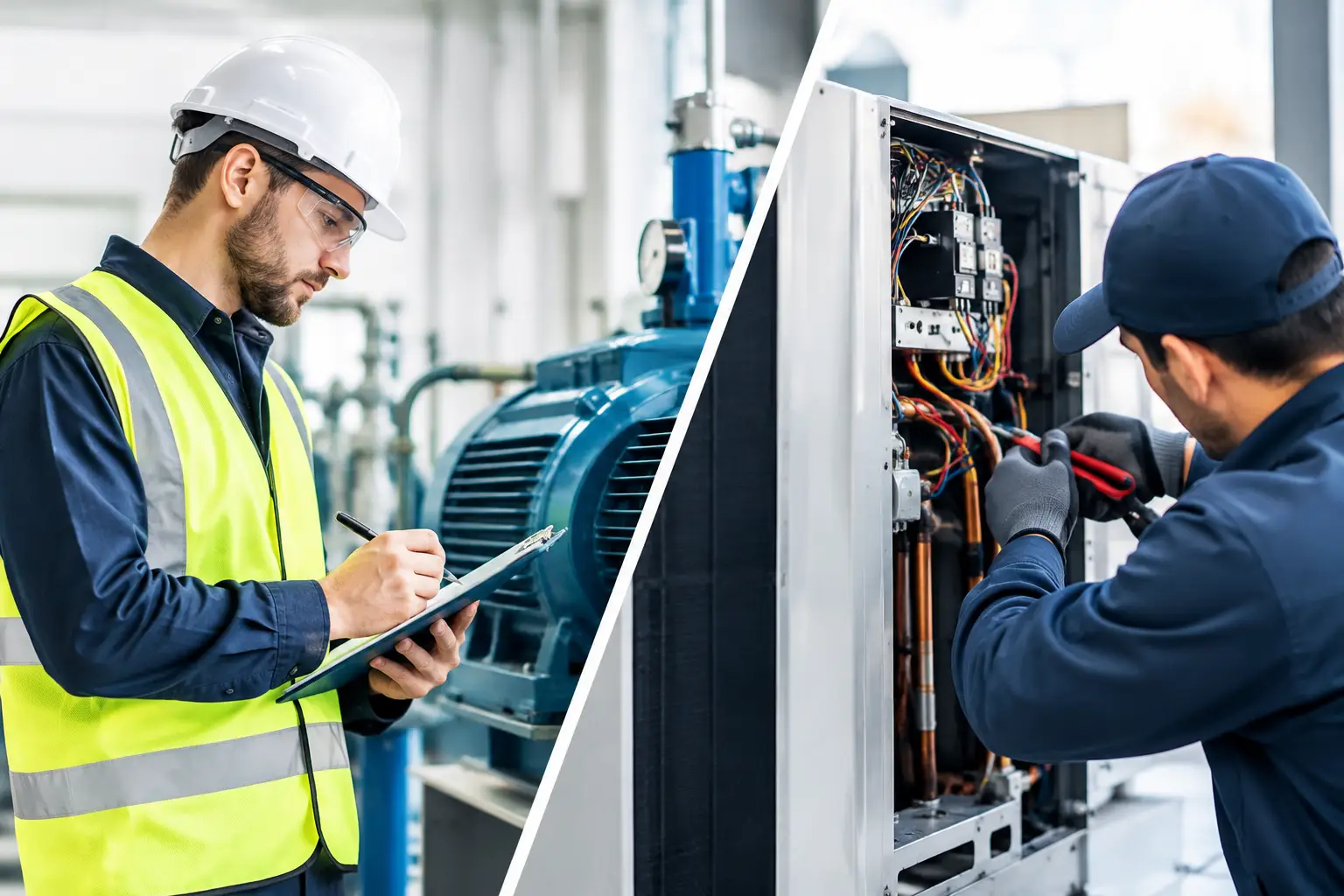
Preventive maintenance is planned work carried out before a system fails. It includes inspections, cleaning, testing, servicing, and minor adjustments based on the equipment's condition and expected use. For a Dubai property, this may mean servicing AC units before the high-demand season, checking water-heater connections, testing electrical components, cleaning water tanks, or inspecting plumbing for slow leaks.
Reactive maintenance happens after something goes wrong. The goal is to diagnose the fault, restore operation, and repair or replace the failed part. Calling a technician for an AC that is blowing warm air, a burst pipe, a tripping circuit breaker, or a failed water heater is reactive maintenance.
Neither approach is automatically wrong. The practical question is where each one belongs. Emergencies require reactive repairs. Systems that affect daily comfort, safety, energy use, or property condition benefit from preventive attention.
Preventive Versus Reactive Maintenance for Dubai Properties
Dubai places unusual demands on building systems. Long cooling seasons put sustained pressure on AC and HVAC equipment. Dust can reduce airflow through filters, coils, and outdoor units. High humidity may contribute to condensation issues, while hard water can create scale inside water heaters and plumbing fixtures. In villas, pumps, irrigation connections, roof areas, and external lighting add further maintenance points.
With reactive maintenance, a small issue can remain hidden until it interrupts normal use. A blocked AC drain line may first appear as a minor drip, then become ceiling damage or mold risk. A worn capacitor may cause intermittent cooling before the system stops on a hot day. A small plumbing leak under a vanity can damage cabinetry, flooring, or the unit below before it is noticed.
Preventive work does not promise that no component will ever fail. It does reduce avoidable failures by finding conditions that commonly lead to them. It also lets owners schedule work at a convenient time, rather than making decisions during an urgent callout.
The cost difference is larger than the repair invoice
Reactive maintenance can look cheaper because no money is spent until a fault occurs. That calculation often misses the full cost of failure: emergency attendance, after-hours access, water damage restoration, temporary cooling arrangements, tenant complaints, lost office productivity, or the replacement of a part that could have lasted longer with proper servicing.
Preventive maintenance involves a regular budget, but it makes costs more predictable. During an inspection, a technician can explain what needs attention now, what can be monitored, and when a replacement is genuinely justified. This allows landlords, homeowners, and facilities teams to prioritize work instead of reacting under pressure.
For a rental property, the financial benefit can also include fewer disruptions between tenants and better protection of finishes, appliances, and mechanical systems. For offices and retail spaces, the value is often operational continuity. A failed AC system during business hours is not just an inconvenience for staff and visitors.
Safety is a separate reason to act early
Some maintenance problems should never be left until total failure. Electrical faults, overheated connections, repeated breaker trips, water-heater pressure issues, and persistent water leaks require proper investigation. Resetting a breaker repeatedly or ignoring a burning smell is not a maintenance plan.
A preventive electrical check can identify loose connections, overloaded circuits, deteriorated accessories, or issues around high-use appliances. Plumbing inspections can reveal corrosion, pressure concerns, and concealed moisture. These checks do not replace urgent repairs when there is a live fault, but they reduce the chance of discovering a serious problem only after damage occurs.
Where Reactive Maintenance Still Makes Sense
A preventive plan should be sensible, not excessive. Some low-cost, non-critical items may be more economical to repair or replace after they fail. A decorative light fitting, a minor cabinet hinge, or a small accessory with no safety or operational impact may not need scheduled servicing.
Reactive maintenance is also necessary for unexpected events, such as accidental damage, sudden pipe bursts, storm-related water entry, or an electronic component that fails prematurely. The key is to respond with root-cause diagnosis rather than simply treating the visible symptom.
For example, replacing a tripped breaker without checking why it tripped can leave the underlying electrical issue unresolved. Repairing a leaking AC unit without checking drainage, insulation, airflow, and coil condition may lead to another callout soon afterward. Good reactive work should include a clear explanation of the fault and practical advice on how to prevent a repeat issue.
Systems That Should Be Maintained Proactively
The strongest candidates for planned maintenance are systems whose failure has a high cost or high disruption. In most Dubai properties, these include AC and HVAC equipment, plumbing, electrical systems, water heaters, water tanks, pumps, and security equipment.
AC and HVAC systems
AC maintenance should be scheduled before cooling demand becomes intense, then adjusted for how heavily the property uses the system. Service work may include filter cleaning or replacement, coil and drainage checks, electrical testing, thermostat checks, airflow assessment, and inspection of refrigerant-related symptoms where appropriate.
A clean filter alone does not solve every AC issue. Weak cooling can result from airflow restrictions, thermostat settings, duct concerns, worn electrical parts, drainage faults, or other mechanical problems. A proper service should focus on system condition rather than treating every issue as a gas refill.
Plumbing and water heaters
Preventive plumbing checks are particularly useful in vacant properties, older units, villas, and homes with multiple bathrooms. Technicians can look for slow leaks beneath sinks, around toilets, at flexible hoses, near water heaters, and at exposed valves. Early repairs often prevent much larger damage to walls, joinery, and flooring.
Water heaters should be inspected for leaks, unusual noises, poor heating performance, connection condition, and signs of scale or corrosion. If replacement is needed, it should be recommended based on safety, condition, and repair value - not simply because a unit is old.
Electrical, smart-home, and security systems
Electrical maintenance is especially valuable where there are repeated trips, flickering lights, overloaded extensions, renovations, or added appliances. Smart thermostats, automation hubs, CCTV systems, and smart locks also deserve periodic checks for power supply, connectivity, compatibility, and correct operation.
A smart device can improve visibility and control, but it cannot compensate for an underlying HVAC or electrical fault. Before adding automation, confirm that the core system is working safely and reliably.
How to Build a Practical Maintenance Schedule
The right schedule depends on property type, equipment age, occupancy, and usage. A villa with several AC zones, pumps, outdoor areas, and a water tank needs broader coverage than a small apartment. A busy office may need maintenance planned around working hours and critical equipment.
Start by listing the systems that would cause the most disruption if they failed. For many properties, AC comes first, followed by plumbing, electrical systems, water heating, and pumps. Then record previous repairs, equipment age, warranties, and any recurring symptoms. This history helps identify patterns, such as one AC zone repeatedly leaking or a circuit that trips whenever several appliances operate together.
Schedule seasonal work before predictable periods of demand. AC checks are best completed before peak heat, while water-heater and plumbing inspections can be planned before extended vacancy or periods of heavy guest use. Do not wait for a maintenance visit to report an active safety concern or water leak. Those issues require prompt assessment.
When booking service, ask what the inspection includes, whether faults will be photographed or explained, how parts are priced, and whether approval will be requested before additional work begins. Clear communication prevents surprises and helps owners compare repair recommendations on their actual merits.
Choosing the Balance That Fits Your Property
The best approach is rarely preventive maintenance only or reactive maintenance only. It is a balanced plan: inspect and service critical systems regularly, address active faults quickly, and make replacement decisions based on condition, safety, and operating cost.
For owners who manage several units or a large villa, a recurring maintenance plan can reduce administration and create a clearer record of property condition. For tenants, reporting small changes early - unusual AC noise, a slow drain, a warm electrical outlet, or a minor leak - can prevent a more serious disruption later. DHRS Dubai has supported property maintenance since 2005 with practical diagnostics, transparent recommendations, and repairs based on the actual condition of the system.
A property rarely fails all at once. It usually gives small warnings first. Acting on those warnings while there is still time to plan is one of the simplest ways to protect comfort, safety, and the value of the space.
Need Home Maintenance in Dubai?
Contact the experts at DHRS Dubai for fast, reliable service.
Get a Quote