
Home Maintenance Dubai for Villas and Apartments
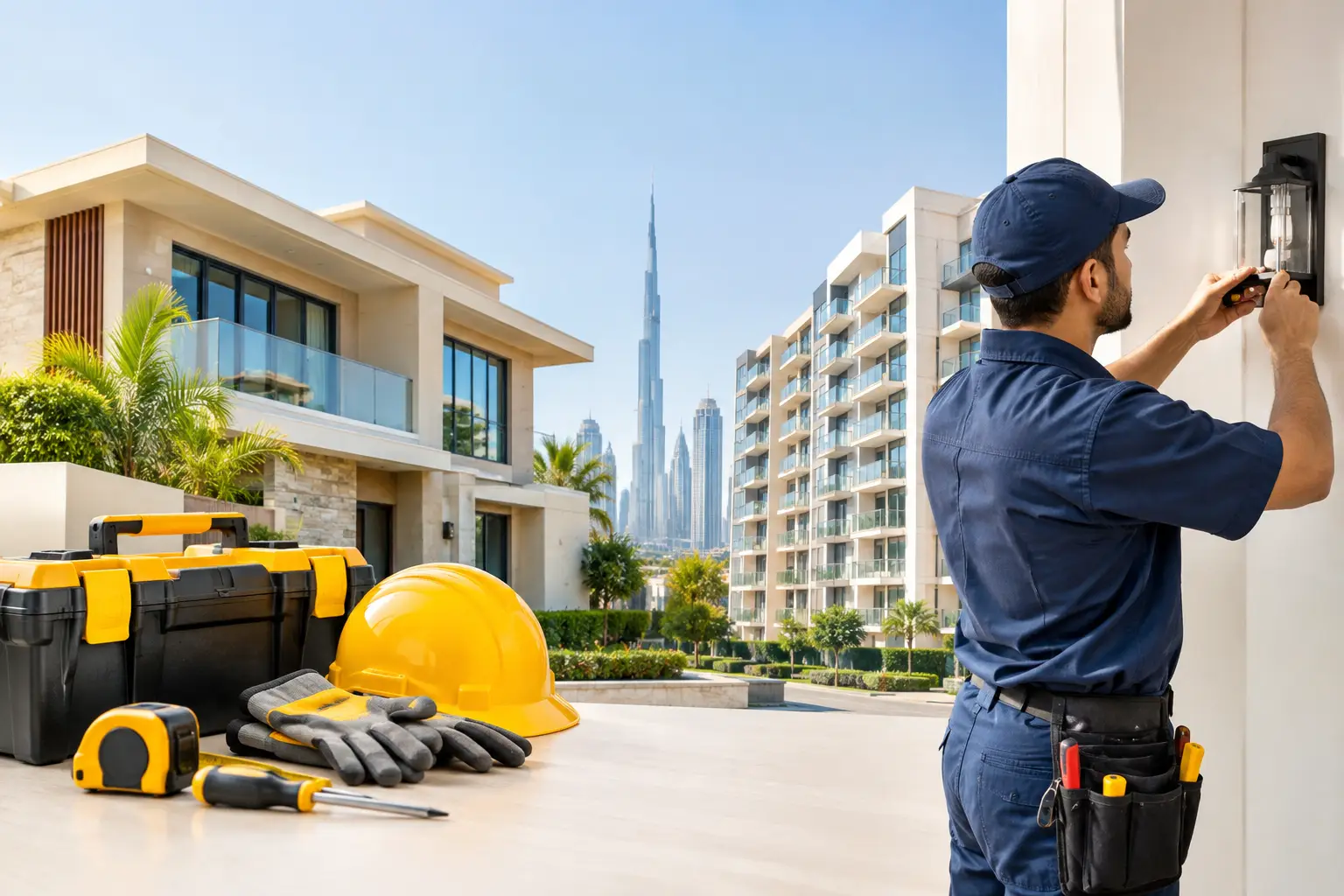
A Dubai home can look perfectly fine while small faults build up behind ceilings, inside AC units, and under kitchen cabinets. Effective home maintenance Dubai residents can rely on is less about waiting for something to fail and more about catching early warning signs before they interrupt daily life, damage finishes, or create an expensive emergency.
For apartment residents, villa owners, landlords, and office managers, the priority is usually straightforward: keep essential systems safe, working efficiently, and easy to repair when something changes. The right maintenance plan depends on the property’s age, occupancy, equipment, and whether it is owner-occupied or rented, but several areas deserve regular attention in every Dubai property.
Why Home Maintenance Matters More in Dubai
Dubai’s climate places constant pressure on cooling, water, and electrical systems. Air conditioners run for long periods, outdoor units face heat and dust, and plumbing components can develop leaks before they are visible. A minor AC drainage issue, for example, can become a ceiling stain or moisture problem if it is left unresolved.
High-use properties need a different approach from occasionally occupied homes. A family villa in Dubai Hills Estate or Arabian Ranches may have multiple AC zones, water heaters, pumps, outdoor lighting, and irrigation-related connections. A Downtown Dubai apartment may have fewer systems, but it can still face AC cooling concerns, drainage blockages, water-heater faults, and electrical issues that require prompt professional diagnosis.
Preventive maintenance does not mean replacing parts on a fixed schedule whether they need it or not. A dependable provider inspects the condition of the system, identifies the root cause of a fault, explains the options, and recommends replacement only when it is genuinely required.
The Main Systems to Check in Your Home
AC and HVAC performance
If your AC is cooling unevenly, taking too long to reach the thermostat setting, making unusual noises, or producing a musty odor, it needs attention. These symptoms may point to dirty filters, blocked drain lines, airflow restrictions, thermostat issues, refrigerant-related concerns, or a component fault. The cause cannot be confirmed from one symptom alone, which is why an inspection matters.
Routine AC maintenance commonly includes cleaning or replacing filters as appropriate, checking drainage, inspecting electrical connections, assessing airflow, and reviewing the condition of key components. In larger villas and commercial spaces, ductwork and multiple thermostats may also need assessment. Poor airflow is not always an AC unit problem - damaged, leaking, or poorly designed ducting can affect comfort and running costs as well.
Smart thermostat upgrades can improve control where the existing HVAC system is compatible. However, compatibility should be checked before installation. Some systems require a smart adapter or converter solution rather than a direct thermostat replacement.
Plumbing and water systems
A dripping tap is visible, but a slow leak under a sink, behind a toilet, or near a water heater can go unnoticed for weeks. Watch for unexplained moisture, swollen cabinetry, low water pressure, recurring drain odors, discolored water, or a water bill that seems higher than usual.
Water heaters need particular attention because failures can affect both comfort and safety. Warning signs include inconsistent hot water, a leaking pressure valve, rust-colored water, unusual sounds from the unit, or a breaker that trips when the heater operates. The correct repair depends on the fault. Sometimes a valve, thermostat, heating element, or wiring issue can be repaired; in other cases, a replacement is safer and more economical.
Water tank cleaning and water filtration are also practical considerations for many Dubai properties. The right schedule depends on the building setup, water quality concerns, occupancy, and any applicable property or community requirements.
Electrical safety and reliability
Electrical faults should never be treated as a DIY trial-and-error task. A frequently tripping breaker, warm outlet, flickering lights, burning smell, buzzing switch, or loss of power to one area needs professional assessment. These signs can result from an overloaded circuit, loose connection, faulty appliance, deteriorated accessory, or an issue within the electrical system.
For landlords and property managers, electrical checks between tenancies are especially useful. They help identify damaged sockets, loose fittings, lighting problems, exhaust fan faults, and issues caused by unapproved alterations before a new occupant moves in.
Doors, finishes, and everyday fixtures
Not every maintenance issue is urgent, but small repairs protect the condition and usability of a property. Loose cabinet hinges, sticking doors, damaged silicone, cracked grout, peeling paint, unstable curtain rails, and worn door locks can make an otherwise well-kept home feel neglected.
In rental properties, handling these items promptly helps avoid disputes about condition later. In owner-occupied homes, scheduling several minor handyman, carpentry, painting, or gypsum tasks together can be more efficient than arranging separate visits for each one.
A Practical Home Maintenance Dubai Schedule
A useful maintenance schedule should match the property rather than follow a generic checklist. Still, most homes benefit from a simple rhythm of seasonal inspections and prompt response to changes.
Before the hottest months, arrange AC servicing and ensure filters, drainage, airflow, and controls are working correctly. This is also a sensible time to check water heaters, bathroom and kitchen plumbing, electrical accessories, and outdoor lighting. Villas may also need closer attention to external pipework, roof access points, garden electrical connections, and water features.
During the year, do not ignore new noises, smells, drips, or changes in performance. Maintenance is usually less disruptive when the first symptom is addressed. Waiting until an AC stops cooling completely in peak summer or a concealed leak damages a ceiling limits the available options and may increase repair time.
At least once a year, landlords and owners should consider a broader property inspection. This can include HVAC, plumbing, electrical systems, water heaters, fixtures, locks, and visible signs of moisture or deterioration. Commercial properties may require more frequent checks based on operating hours, equipment load, and tenant use.
When to Call for Urgent Help
Some situations should not wait for a scheduled maintenance visit. Turn off the water supply where safe to do so and request assistance if there is an active water leak, overflowing drain, or water near electrical outlets. For electrical burning smells, sparks, or repeated breaker trips, stop using the affected circuit and arrange professional fault finding.
An AC failure during very hot weather is also urgent, particularly for homes with young children, elderly residents, pets, or people with health concerns. A technician should inspect the unit rather than simply add refrigerant or replace a part without diagnosis. Quick fixes that do not address the actual cause can lead to repeat failures.
If a water heater is leaking, making loud noises, or tripping the electrical supply, switch it off if it is safe and accessible. Do not continue using it until it has been checked.
Choosing a Maintenance Provider
The lowest quoted price is not always the lowest overall cost. A maintenance visit should begin with inspection and clear communication, not pressure to approve unnecessary work. Ask what was found, what repair is recommended, whether parts are needed, and whether there are alternatives if replacement is being considered.
A capable provider should be able to handle related systems without sending you through multiple contractors for ordinary property issues. For example, an AC water leak may involve drainage and ceiling access; a smart thermostat installation may require HVAC compatibility checks and electrical work; a water-heater issue may involve both plumbing and electrical diagnosis.
DHRS Dubai has served residential and commercial properties since 2005 with practical repair, installation, and preventive maintenance support. The goal of a professional visit should be clear: identify the problem accurately, keep you informed upfront, and leave the property safe and functional.
Small Habits That Prevent Larger Repairs
Residents can reduce avoidable problems between professional visits by keeping AC filters clean according to system use, reporting leaks immediately, avoiding overloading extension leads, and checking under sinks and around water heaters occasionally. Do not cover AC vents with furniture or close too many vents in an attempt to reduce cooling in unused rooms, as this can affect airflow and system performance.
For vacant properties, arrange periodic checks rather than leaving the home unattended for long periods. A short inspection can identify a tripped breaker, AC drainage issue, water leak, or developing moisture problem before it affects the property or a neighboring unit.
A well-maintained home is not one that never needs repair. It is one where problems are noticed early, decisions are made with clear information, and the people responsible for the property know exactly who to call when something changes.
Need Home Maintenance in Dubai?
Contact the experts at DHRS Dubai for fast, reliable service.
Get a Quote