
Will a Smart Thermostat for Old AC Work?
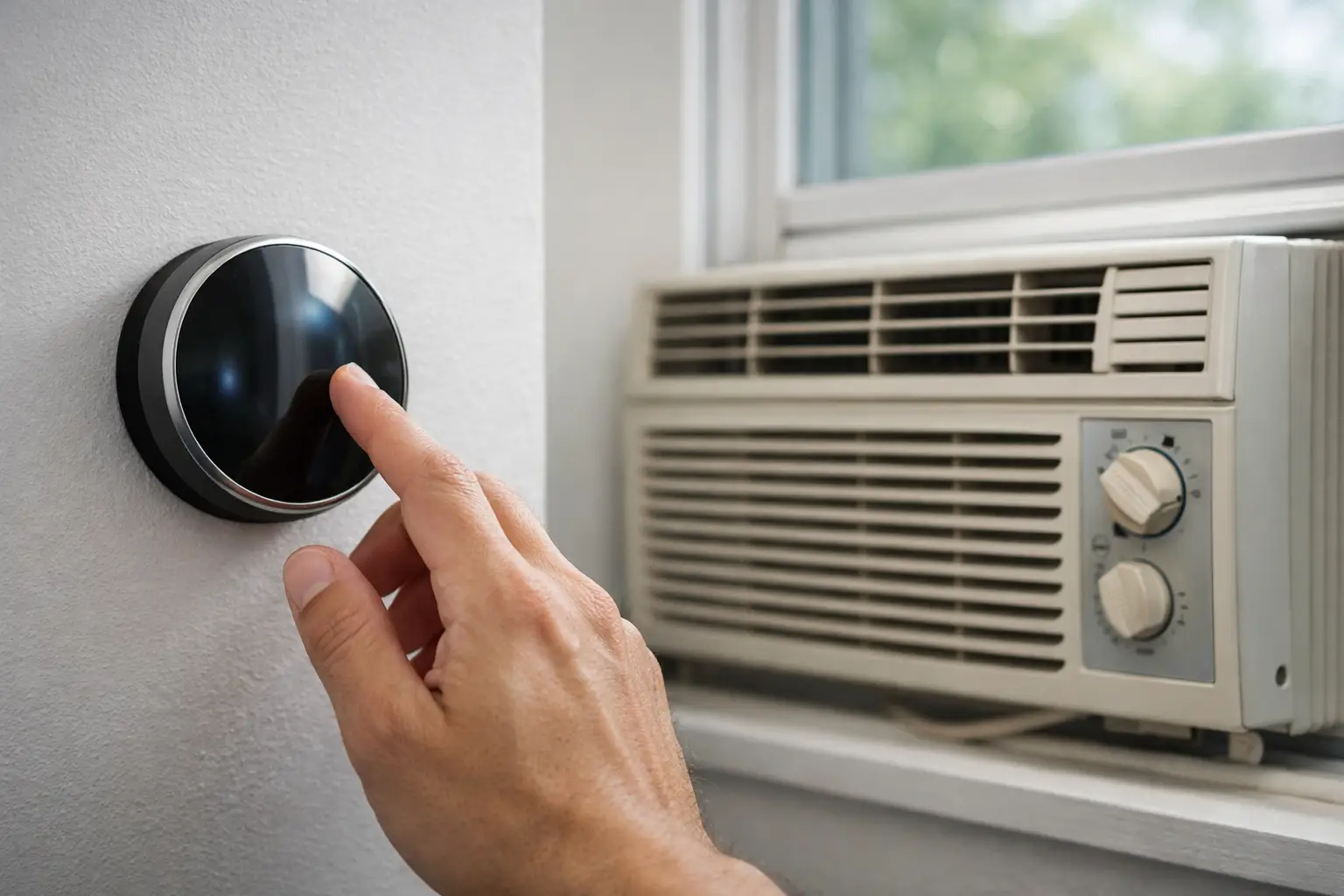
A smart thermostat for old AC can be a worthwhile upgrade in Dubai, but the thermostat itself is rarely the first question. The real issue is how your existing air conditioning system receives commands. A well-installed smart control can improve comfort, scheduling, and visibility over cooling use. The wrong one can leave the AC unresponsive, cause short cycling, or damage a control board.
For older apartments, villas, and offices, compatibility must be checked before any device is purchased. This is especially relevant where an aging fan coil unit, ducted split system, or centralized AC controller is still working reliably but has an outdated wall thermostat.
Why old AC systems need a compatibility check
Many smart thermostats are designed around a low-voltage 24V HVAC setup. That is common in some markets, but it is not the only arrangement found in Dubai properties. Older systems may use different wiring, a high-voltage thermostat, a proprietary controller, or a simple on/off signal connected to a fan coil unit.
The thermostat may also control more than cooling. It can manage fan speed, a chilled-water valve, heating, ventilation, or a building-management interface. Replacing it without understanding those functions can remove useful controls or create faults that appear only after the technician leaves.
An old AC system does not automatically mean it cannot be smart. It means the existing control circuit needs an honest inspection. In many cases, the AC equipment can remain in place and a compatible smart thermostat, relay, or HVAC adapter can be installed safely.
Common systems found in Dubai properties
Wall-mounted split AC units normally use an infrared remote control, not a conventional wired thermostat. A smart AC controller may be the better choice for these units because it communicates with the indoor unit in the same way as the remote.
Ducted split AC and package units may use a standard thermostat, but wiring arrangements vary considerably by brand and installation date. Some can accept a smart thermostat directly, while others need a relay or interface module.
Fan coil units are common in many towers and larger developments. They may have two-pipe or four-pipe chilled-water systems, multiple fan speeds, and valve controls. These systems often need a thermostat specifically suited to fan coil applications rather than a standard home thermostat.
Centralized or district cooling systems add another consideration. Your smart control may manage the fan coil in your property, while cooling water supply and billing are handled by the building or district provider. A smart thermostat can still improve room temperature control, but it cannot change the building's chilled-water availability or maintenance schedule.
What a smart thermostat for old AC can improve
When the equipment and controls are compatible, the practical benefits are clear. You can set schedules so the property does not cool empty rooms all day, adjust temperatures before arriving home, and avoid leaving the AC running after tenants or staff leave.
For villa owners, zoning can be particularly useful when separate AC systems serve bedrooms, living areas, and upper floors. For landlords and property managers, app-based control can help verify settings between tenancies or reduce unnecessary cooling in vacant units. It should not be used as a substitute for proper tenant communication and agreed access procedures.
Some devices provide runtime history and alerts. These features do not diagnose every mechanical fault, but they can reveal patterns, such as an AC running continuously without reaching the set temperature. That is a useful reason to arrange an AC inspection before a small issue becomes a complete breakdown during peak summer.
Energy savings are possible, but they depend on existing habits. A smart thermostat will not compensate for dirty filters, leaking ducts, weak airflow, poor insulation, an undersized AC unit, or a failing compressor. In Dubai's summer conditions, mechanical efficiency and preventive AC maintenance remain just as important as controls.
Signs your existing thermostat may not be a direct fit
A thermostat with only two wires may be a simple switching control, but wire count alone does not confirm compatibility. The wires could carry a voltage that is unsuitable for the smart thermostat you are considering. Similarly, a display that shows fan speeds or valve settings may indicate that the system needs a specialized fan coil controller.
Be cautious if the old thermostat has these characteristics:
- It operates on 110V, 220V, or another line-voltage supply.
- It controls low, medium, and high fan speeds.
- It is connected to a chilled-water fan coil unit.
- It uses a manufacturer-specific communication cable instead of standard thermostat terminals.
- It is part of a hotel-style, building-management, or centralized control system.
None of these points makes an upgrade impossible. They simply mean a direct thermostat swap is not the right approach. A compatible adapter, relay, or purpose-built smart controller may be required.
Do not rely on wire colors
Wire colors are not a reliable guide in an older property. Previous repairs, modifications, and inconsistent installation practices can make red, blue, yellow, or black wires misleading. A technician should test voltage, identify terminals, confirm the equipment sequence, and check the control diagram where available.
Disconnecting the old thermostat before documenting the connections can also make troubleshooting harder. Taking a photo is helpful, but it is not a replacement for electrical testing and system knowledge.
The right installation process
A proper smart thermostat installation begins with inspecting the indoor and outdoor AC equipment, not just the wall control. The technician should identify whether the system is a split AC, ducted unit, fan coil, or another configuration, then check the current thermostat wiring and supply voltage.
Next comes functional testing. This includes confirming cooling call, fan operation, fan speeds where applicable, valve operation for chilled-water systems, and the AC's response when the set temperature changes. If the system already has poor cooling, water leakage, unusual noise, or airflow problems, those issues should be addressed first.
Once compatibility is confirmed, the correct device or adapter can be selected. The installation should include secure mounting, safe electrical connections, Wi-Fi setup, app configuration, and a full operational test. The technician should also explain the manual override options. This matters when Wi-Fi is unavailable, a phone battery is flat, or a guest needs simple wall control.
For rental properties, agree in advance on who will hold app access and who can change schedules. Clear control avoids disputes and helps protect the comfort of tenants.
When replacement is better than an adapter
An adapter is often the sensible solution when the AC is cooling properly and the existing control arrangement is otherwise sound. It can preserve fan speeds and system logic while adding app control.
However, replacement may be more practical if the old thermostat is unreliable, its display has failed, spare parts are no longer available, or it cannot control the system consistently. In some cases, a new compatible fan coil thermostat provides a cleaner and more dependable result than trying to retrofit a consumer device that was not designed for the application.
The best choice depends on the type of AC, the wiring, the desired features, and the condition of the equipment. A lower-cost thermostat is not a saving if it requires repeated adjustments, loses key functions, or causes unnecessary service calls.
A practical choice for Dubai homes and offices
Before buying a smart thermostat, arrange a compatibility assessment and explain what you want the system to do. For example, you may need remote temperature changes, weekday schedules, separate room control, or simple monitoring for a vacant property. That information helps determine whether a thermostat, smart AC controller, or HVAC adapter is the correct solution.
DHRS Dubai can inspect the existing AC controls, explain the available options clearly, and recommend replacement only when it is genuinely required. The goal is not to force modern technology onto an old system. It is to make a working AC system easier to control without compromising safety, cooling performance, or reliable day-to-day operation.
A careful compatibility check takes far less time and expense than correcting a failed installation. If your old AC is still serving the property well, the right smart control upgrade can help it do so with more comfort and less waste.
Need Home Maintenance in Dubai?
Contact the experts at DHRS Dubai for fast, reliable service.
Get a Quote