
Water Heaters: Repair, Replacement, and Care
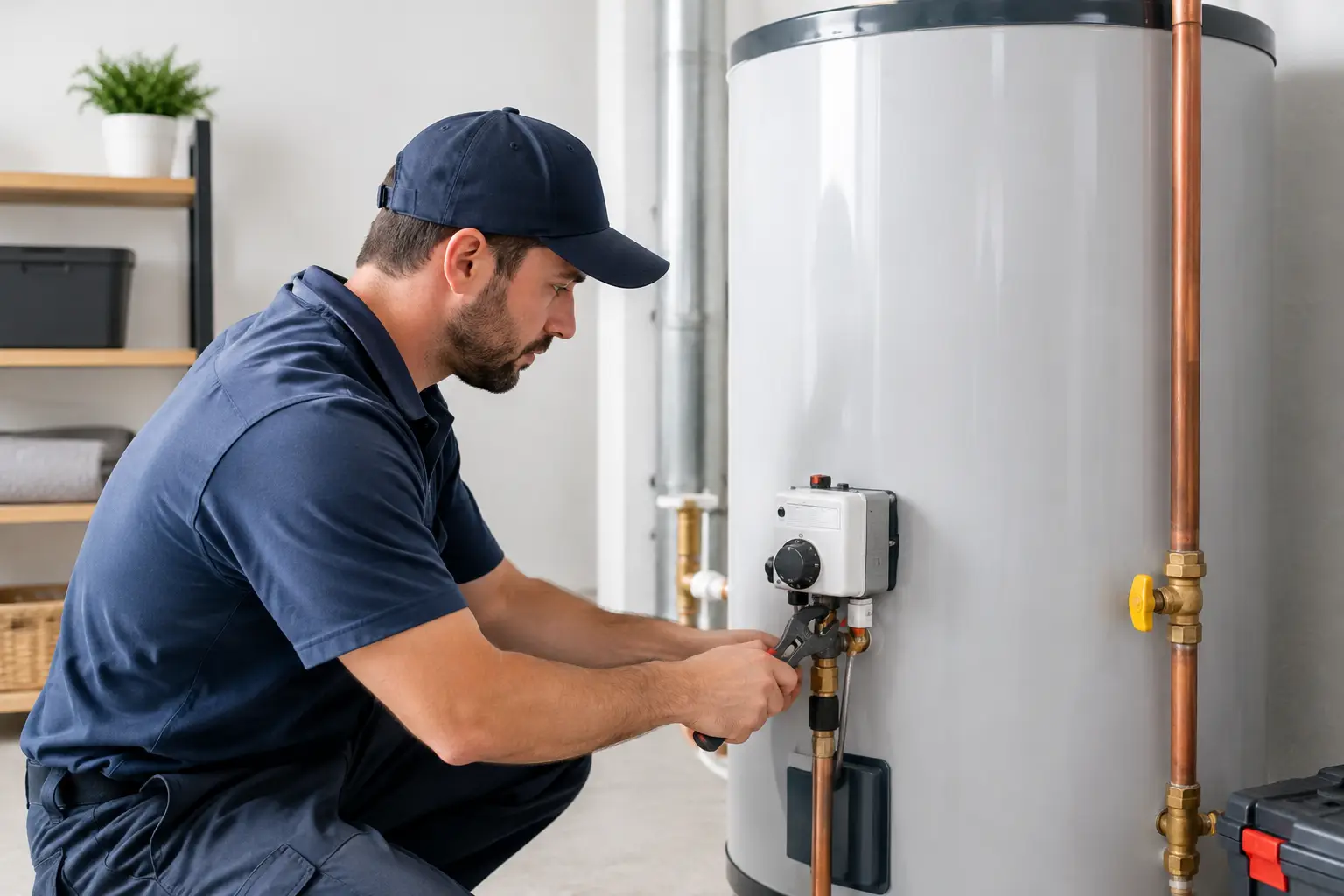
A cold shower is often the first sign, but water heaters usually give earlier warnings: inconsistent temperature, a dripping relief valve, discolored water, unusual noises, or a higher electricity bill. In Dubai homes, where electric storage units work hard year-round, addressing those signs early can prevent a small repair from becoming a leak, electrical fault, or full replacement.
How Water Heaters Typically Fail
Most residential properties use electric storage water heaters installed in bathrooms, kitchens, utility areas, or above false ceilings. They heat and store a fixed volume of water, then maintain the selected temperature through a thermostat and heating element. This is a straightforward system, but it relies on several components working safely together.
A loss of hot water may be caused by a failed heating element, faulty thermostat, tripped circuit breaker, damaged wiring, or an issue with the supply connection. If the water is warm but runs cold much sooner than usual, sediment buildup, a weakened element, or a tank capacity issue may be responsible.
Leaks require prompt attention. Water around the inlet or outlet connection can sometimes be resolved by replacing a valve, gasket, flex hose, or fitting. Water coming directly from the tank body is more serious. Corrosion inside the tank can eventually create pinhole leaks, and a corroded tank is generally not a reliable candidate for repair.
A popping, rumbling, or crackling sound can indicate mineral deposits on the heating element or at the bottom of the tank. The sound may seem minor, but buildup reduces heating efficiency and can place extra strain on the unit. In properties with several bathrooms, this loss of efficiency becomes noticeable when hot water demand is high.
Signs You Need Water Heater Repair
A professional inspection is sensible when the unit repeatedly trips the breaker, produces no hot water, leaks, smells unusual, or has visible rust around its connections. Never ignore an electrical burning smell, scorched wiring, or water close to electrical components. Switch off power to the heater at the appropriate breaker if it is safe to do so, avoid touching wet electrical areas, and arrange an urgent inspection.
Other repairable problems include a malfunctioning thermostat, a worn pressure relief valve, loose cable connections, a damaged heating element, or a leaking isolation valve. These parts can often be replaced without changing the full unit, provided the tank itself remains sound.
An accurate diagnosis matters. Replacing a heating element without checking the thermostat, wiring, circuit protection, and tank condition can leave the root cause unresolved. A qualified technician should test the system, inspect for leaks and corrosion, explain what has failed, and advise on the parts and work required before proceeding.
For landlords and property managers, a documented repair also helps distinguish between a one-time component failure and an aging unit that is likely to create repeated callouts. That information is useful when planning maintenance budgets across multiple apartments or villas.
When Replacement Makes More Sense
Repair is usually the practical choice when a relatively new heater has a specific component fault and the tank is in good condition. Replacement becomes more reasonable when the tank is corroded, leaks from its body, has a history of repeat failures, or cannot reliably meet the property’s hot-water demand.
Age alone does not decide the issue, but older units are more likely to have internal corrosion, weakened insulation, and unavailable parts. If repair costs are rising while hot-water performance continues to decline, installing a new unit can be the safer long-term option.
Capacity should be selected based on occupancy and usage, not simply the size of the old heater. A small apartment with one or two occupants may require a different capacity than a family villa with multiple bathrooms in use each morning. Undersizing leads to short hot-water supply and frequent reheating. Oversizing can waste energy and take up unnecessary space.
Installation conditions also matter. The replacement unit must be securely mounted, correctly connected to suitable plumbing and electrical supplies, fitted with the required safety valve, and accessible for future servicing. Ceiling-mounted units need particular care because even a minor leak can damage gypsum ceilings, lighting, cabinetry, and floors below.
For homes with solar water heating, conventional electric backup systems, or more complex hot-water arrangements, the system should be assessed as a whole. The right solution depends on roof equipment, storage capacity, controls, pipework, usage patterns, and the available backup supply.
Water Heater Maintenance That Prevents Disruption
Water heaters do not need daily attention, but they should not be forgotten until they fail. Preventive maintenance helps identify early leaks, electrical wear, pressure concerns, and corrosion before they affect the property.
A proper service normally includes inspection of the tank exterior, brackets, plumbing connections, valves, electrical terminals, thermostat operation, and heating performance. Where appropriate, the technician may assess sediment buildup and the condition of internal components. The exact work depends on the heater type, installation position, age, and manufacturer requirements.
Residents can also watch for simple changes between services. Check occasionally for dampness beneath the heater, staining on the ceiling below it, rust-colored marks around fittings, or a change in water temperature. If a pressure relief valve starts dripping continuously, do not block or cap it. That valve is a safety device and should be inspected to determine why it is releasing water.
Avoid setting the temperature excessively high. Higher settings increase energy use and can create scalding risks, particularly for children, older residents, and guests. A technician can help confirm that the thermostat is operating correctly and set within a sensible range for the household.
In vacant properties, water heaters should still be included in the maintenance plan. Landlords often discover concealed leaks only after a ceiling stain appears or a tenant reports a lack of hot water. Periodic checks are especially valuable before a new tenancy, after renovation work, and before a property is handed over.
Choosing a Reliable Water Heater Technician
Water heater work combines plumbing and electrical safety. The technician should be able to inspect both sides of the installation rather than treating the problem as only a plumbing leak or only an electrical issue. This is particularly important when a heater trips the breaker, leaks near wiring, or has been installed in a restricted ceiling space.
Ask for a clear explanation of the diagnosis, the condition of the tank, and whether repair is likely to provide a lasting result. You should also be informed upfront if replacement is recommended, why it is necessary, and what capacity or specification is suitable for the property.
At DHRS Dubai, water heater inspections focus on the root cause, whether the issue is a failed element, thermostat problem, connection leak, pressure concern, or tank deterioration. Since 2005, the approach has been to recommend replacement only when it is genuinely required and to help customers make a practical decision based on safety, condition, and expected service life.
A Quick Response Can Protect the Property
Do not wait for a small heater leak to become ceiling damage or for an intermittent electrical fault to become a complete loss of hot water. If you notice moisture, rust, unstable temperature, unusual sounds, or repeated breaker trips, arrange an inspection before the issue affects other parts of the property.
Reliable hot water should be ordinary, not something residents have to think about each morning. Timely diagnostics and planned maintenance keep it that way while helping protect the home, its electrical system, and the people using it.
Need Home Maintenance in Dubai?
Contact the experts at DHRS Dubai for fast, reliable service.
Get a Quote