
Water Heater Repair Dubai for Leaks and No Hot Water
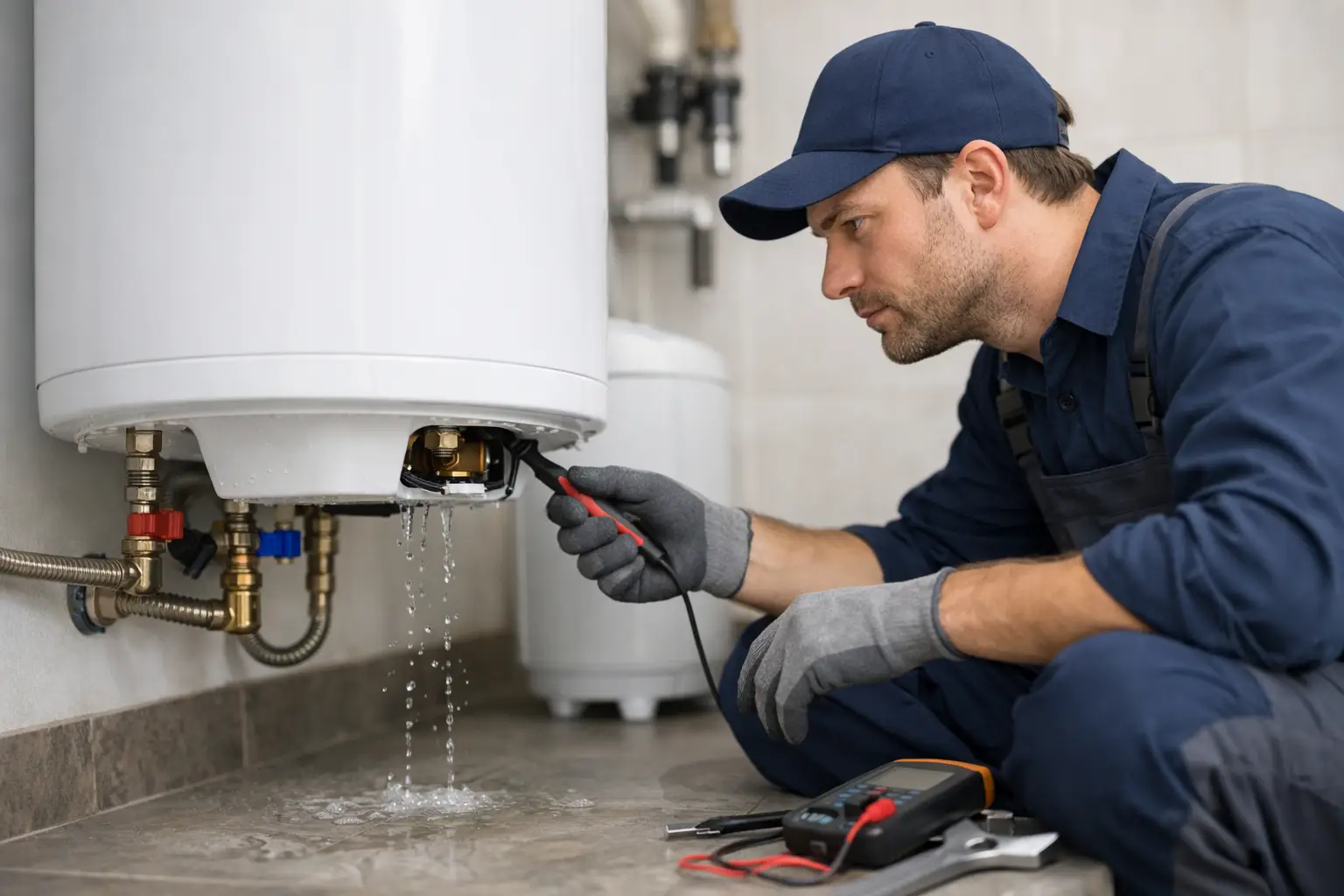
A cold shower is often the first sign, but it is rarely the only one. Water heater repair Dubai residents need may begin with inconsistent temperature, a dripping relief valve, a tripped breaker, rusty water, or moisture around the tank. Acting early can prevent water damage, electrical risk, and a more expensive replacement later.
Most Dubai homes use electric storage water heaters installed in bathrooms, kitchens, maid’s rooms, or service areas. These units work hard year-round, and their condition depends on water quality, installation standards, electrical connections, thermostat settings, and regular inspection. A proper repair is not simply about restoring hot water. It is about finding the root cause and confirming the unit is safe to operate.
When Water Heater Repair Dubai Is Needed
A complete loss of hot water is the clearest reason to arrange an inspection. Before assuming the heater has failed, check whether the dedicated breaker has tripped and whether power is available at the isolator. If the breaker trips again after being reset, do not keep resetting it. This can indicate a faulty heating element, thermostat, wiring issue, or moisture affecting electrical components.
Temperature problems can be less obvious. Water that is warm but never truly hot may point to a failing element, an incorrectly set thermostat, sediment buildup, or heat loss from damaged pipe insulation. Water that becomes excessively hot is equally urgent. A malfunctioning thermostat or safety control can create scalding risk and place unnecessary pressure on the tank.
Leaks deserve prompt attention, even when they appear minor. A loose pipe connection, failed gasket, leaking pressure relief valve, or corroded tank can all leave water around the heater. The location of the leak matters. A connection or valve may be repairable, while corrosion from the body or bottom seam of the tank usually means replacement is the safer long-term decision.
Unusual noises are another useful warning sign. Popping, crackling, or rumbling may occur when mineral sediment collects around the heating element. That buildup forces the heater to work harder, may increase electricity use, and can shorten component life. A technician should assess whether flushing and component service are appropriate for the unit’s age and condition.
What to Do Before a Technician Arrives
If you see active leaking, switch off power to the water heater at its dedicated isolator or breaker. Do not touch electrical switches while standing in water, and do not remove the heater cover to inspect internal wiring. If it is safe to do so, close the cold-water supply valve feeding the heater to limit further leakage.
Take note of what you are seeing: no hot water, fluctuating temperature, a leak from a particular area, noises, or a recurring breaker trip. A photo of the unit and its capacity label can also help when booking service. This information gives the technician a better starting point and helps reduce time spent on basic identification during the visit.
For a tenant, notify the landlord or property manager according to the terms of the tenancy agreement, particularly where the heater is supplied with the property. For landlords and property managers, a quick response protects finishes, ceilings, cabinetry, and neighboring units. A small bathroom leak can travel farther than expected in apartment buildings.
Common Water Heater Faults and the Right Fix
Heating-element failure is one of the most frequent causes of cold water in an electric storage heater. Elements can burn out, become coated with scale, or develop an electrical fault. The correct solution depends on testing the element, checking its resistance, and inspecting the tank condition. Replacing an element in a severely corroded tank may provide only a short-term result.
Thermostat and high-limit safety control faults can cause water to remain cold, become too hot, or heat inconsistently. These controls must be tested and set correctly. Increasing the temperature setting without diagnosis is not a reliable fix and can create a safety issue, especially in homes with children or elderly residents.
Pressure relief valve problems require careful evaluation. This valve is designed to release water if pressure or temperature becomes unsafe, so a dripping valve should not simply be capped or ignored. The cause may be a faulty valve, high supply pressure, overheating, or another issue in the installation. A technician should identify why the valve is discharging before replacing it.
Tank corrosion is the fault with the least favorable repair outlook. Rust-colored water, corrosion around the tank base, or water coming through the tank body commonly indicates internal deterioration. While a technician may repair external fittings, a compromised tank cannot be reliably restored. In that situation, replacement is normally the responsible recommendation.
Electrical faults are also common in older installations or units exposed to humidity. Loose connections, damaged cables, unsuitable isolators, and incorrect circuit protection can affect both safety and heater performance. This is why water heater work should include inspection of the electrical supply, not just the tank itself.
Repair or Replacement: How to Make a Sensible Decision
The most cost-effective option depends on the age of the heater, the nature of the fault, the availability of compatible parts, and the condition of the tank. A relatively new unit with a faulty thermostat, heating element, valve, or connection may be well worth repairing. A technician should provide clear information about the failed part, labor required, and expected result before work begins.
Replacement becomes more sensible when a tank is leaking, internal corrosion is advanced, faults are recurring, or the repair cost approaches the value of a new unit. It can also be a practical choice when the existing capacity no longer suits the household. A unit that is too small will struggle during peak use, while an oversized heater can waste energy and occupy unnecessary space.
Installation quality matters as much as the brand or capacity of the replacement. The new heater should be securely mounted, connected with suitable fittings, protected by correct electrical isolation, and tested for leaks and safe operation. In villas, the system may also need consideration of longer pipe runs and multiple bathrooms. In apartments, access restrictions, ceiling spaces, and building management procedures can affect scheduling and installation planning.
DHRS Dubai has served residential and commercial properties since 2005, with technicians who focus on honest diagnostics and clear communication. Where a repair is practical, the goal is to restore safe operation. Where replacement is genuinely required, the recommendation should explain why rather than rely on guesswork.
Preventive Maintenance That Extends Heater Life
Water heaters benefit from periodic inspection, particularly in properties where units are hidden above false ceilings or inside utility cabinets. Early checks can identify small leaks, corroded connections, damaged insulation, and weakening electrical components before they disrupt daily use.
A useful maintenance visit may include checking the heating performance, thermostat operation, pressure relief valve, supply connections, mounting condition, visible corrosion, and electrical terminals. Whether tank flushing is advisable depends on the model, sediment level, water conditions, and the tank’s overall condition. It should not be treated as a one-size-fits-all procedure.
Property owners with several bathrooms, rental units, or commercial premises should keep a simple record of heater age, capacity, service dates, and previous repairs. This makes budgeting easier and prevents repeated emergency callouts for units that are already near the end of their service life.
Choosing a Water Heater Technician in Dubai
Ask for a technician who can diagnose both plumbing and electrical aspects of the system. A hot-water problem is not always a plumbing problem, and a leak is not always caused by the tank. The inspection should include an explanation of the fault, the recommended work, any parts required, and the expected cost before repairs proceed.
Be cautious of immediate replacement recommendations without an inspection, but also be realistic about a visibly corroded or leaking tank. The best decision is based on evidence, safety, and the likely lifespan after repair. For urgent failures, choose a provider that can respond promptly and coordinate repair or replacement with minimal disruption to the property.
Hot water should be dependable, not something residents have to troubleshoot every few weeks. If your heater is leaking, tripping power, making unusual noises, or failing to hold temperature, arrange a professional inspection while the issue is still contained.
Need Home Maintenance in Dubai?
Contact the experts at DHRS Dubai for fast, reliable service.
Get a Quote