
Smart Home Automation Dubai for Real Homes
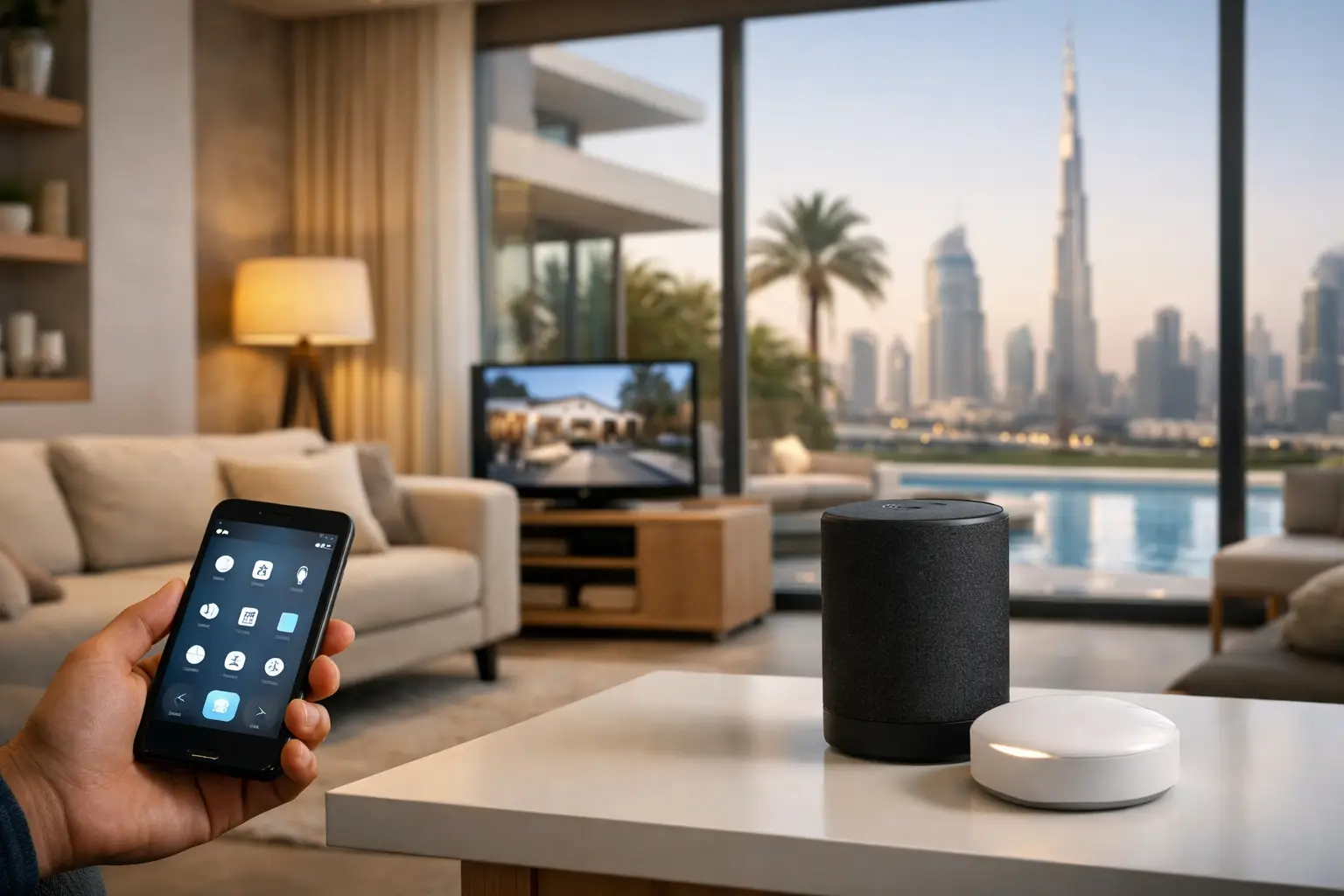
A smart home should make a Dubai property easier to live in, not add another app, another remote, or another problem to troubleshoot. The best smart home automation Dubai installations start with the systems residents use most: air conditioning, lighting, access, and security. From there, the right setup depends on whether you own a villa, manage a rental apartment, or need reliable control of an office or commercial space.
Dubai’s climate, building layouts, and mixed range of HVAC equipment make professional assessment worthwhile. A smart thermostat that works well in one apartment may not be compatible with a villa’s fan coil units, central AC controls, or existing wiring. Planning before buying devices avoids unnecessary replacements and helps ensure the system performs properly after installation.
What Smart Home Automation Should Solve
Automation is most useful when it addresses a real daily task. For many households, that means adjusting AC settings before arriving home, receiving a notification when a door opens, turning off selected lights remotely, or allowing a trusted visitor access without handing over a physical key.
For landlords and property managers, the priorities can be different. They may need to monitor vacant properties, manage access between tenants, reduce wasted AC use, and receive early alerts about security or electrical issues. Offices often focus on access management, meeting-room controls, lighting schedules, and security cameras.
A well-designed system should be simple enough for everyone in the property to use. It should also allow manual control. Smart switches still need to function as normal wall switches, and AC systems should remain operable if internet service is interrupted. Convenience is the goal, not dependence on one phone or cloud service.
Smart Home Automation Dubai: Start With These Systems
A full-property automation package is not always necessary. Starting with high-value systems gives you useful results without creating an unnecessarily complicated setup.
Smart AC and thermostat control
Air conditioning is usually the first priority in Dubai. Smart thermostat installation can help residents schedule cooling, adjust temperatures remotely, and avoid running AC at full output in empty rooms. This can improve comfort and help manage usage, particularly in villas with several zones or rooms that are not occupied all day.
Compatibility is the critical detail. Many Dubai properties use fan coil units, chilled-water systems, split AC units, or centralized controls that do not connect directly to common consumer thermostats. Some systems require an HVAC smart adapter, relay, converter, or additional control wiring. Installing a thermostat without checking the voltage, control terminals, and equipment type can cause unreliable operation or damage control components.
An experienced technician should inspect the existing AC controls before recommending a Google Nest thermostat or another smart controller. In some properties, a compatible adapter provides better results than replacing the thermostat. In others, a different control solution is more practical. Honest diagnostics matter because the most expensive device is not automatically the correct one.
Smart lighting and switches
Smart lighting can be as simple as installing Wi-Fi switches in selected rooms, or as comprehensive as controlling scenes throughout a villa. Useful examples include entry lights that turn on at a scheduled time, outdoor lighting for evening use, and a single “away” command that switches off designated lights.
Smart wall switches are often more practical than individual smart bulbs in homes where multiple family members, guests, or tenants use the property. They retain familiar wall control and can be installed for specific circuits such as living areas, bedrooms, corridors, or exterior lighting.
Electrical inspection is essential before installation. Switch box depth, neutral wire availability, circuit load, and the quality of existing wiring all affect which products can be used safely. Older properties and modified interiors may need wiring corrections before smart switches are added.
Smart locks and controlled access
Smart locks offer practical benefits for homeowners, landlords, short-term rental operators, and offices. Depending on the model, access can be provided through a PIN, card, fingerprint, mobile app, or temporary code. Temporary access is especially useful for cleaners, maintenance technicians, guests, and arriving tenants.
The lock must suit the door, not just the app. Door thickness, lock case type, handle configuration, alignment, fire-rating requirements, and frame condition should all be checked. A poorly fitted smart lock can jam, drain batteries quickly, or weaken the door’s normal locking action.
For apartments, building access rules may also affect how a smart lock is used. The private unit door can often be upgraded, but common-area access systems are controlled by the building management. A clear inspection helps prevent purchasing equipment that cannot be installed as intended.
CCTV and security monitoring
Security cameras can provide visibility at villa entrances, parking areas, gates, corridors, shops, and office spaces. The useful part is not simply having cameras installed. It is placing them correctly, ensuring reliable recording, and setting up notifications that are meaningful rather than constant.
Camera position affects image quality. Backlighting, night visibility, network range, cable routes, storage capacity, and weather exposure all need consideration. Outdoor cameras require suitable protection from heat, dust, and moisture. A camera with a weak Wi-Fi signal may appear to work during testing but miss recordings when the connection becomes unstable.
Security installations should respect privacy. Cameras should not point into neighboring private areas or shared spaces where use is restricted. For commercial properties, managers should also consider who has access to recordings and how long footage needs to be retained.
Choose a System That Works Together
The biggest smart-home frustration is a collection of devices that operate separately. One app controls lighting, another controls AC, a third operates cameras, and none of them can coordinate useful routines. This approach can still work for a small apartment, but it becomes difficult to manage as devices are added.
Before installation, decide whether the property needs a simple app-based setup or a central automation platform. A smaller home may only need a compatible group of smart switches, thermostat controls, and a smart lock. A larger villa may benefit from centralized scenes, structured wiring, stable network coverage, and controls organized by room or floor.
Wi-Fi is often the hidden foundation of a smart home. Weak coverage in bedrooms, outdoor areas, maid’s rooms, or upper floors can make devices look faulty when the actual issue is network performance. In larger properties, access points or a properly planned mesh network may be needed before expanding automation.
It also helps to choose products with a clear support path. Low-cost devices can be tempting, but replacement parts, local compatibility, software updates, and qualified installation support should be considered. A good system is one that can be maintained years later, not merely one that works on installation day.
Plan for Power, Wiring, and Manual Backup
Wireless devices reduce installation work, but they do not remove the need for technical planning. Battery-powered sensors and locks need routine battery checks. Wi-Fi devices need stable connectivity. Wired cameras and control panels need safe cable routing and appropriate power supplies.
For renovations, smart home planning should happen before painting, gypsum work, or ceiling closure. This is the right time to run concealed cabling for cameras, access points, door controls, intercoms, and future expansion. Retrofitting remains possible in completed properties, but it may involve visible trunking, limited equipment choices, or additional repair work.
Manual backup should be part of every design. Doors need a reliable mechanical access option where applicable. AC should retain local control. Lighting should work from the wall switch. These details are particularly valuable for rental properties, elderly residents, families with children, and busy offices where no one wants to troubleshoot technology during an urgent situation.
Installation, Testing, and Ongoing Support
A professional installation should not end when devices power on. Each component needs testing under normal conditions: app control, wall control, automation schedules, internet loss, power restoration, and access permissions. The installer should explain how the system works, which accounts control it, and what to do if a device goes offline.
Keep account ownership clear from the start. Homeowners and landlords should retain primary access rather than leaving the system tied to a former tenant, contractor, or employee’s personal account. For managed properties, document device locations, logins, warranty details, and battery replacement dates.
DHRS Dubai has provided property maintenance services since 2005, and smart-home work is approached with the same practical standard as electrical and HVAC service: inspect the existing system, identify the root cause or compatibility requirement, explain the available options, and recommend replacements only when genuinely required.
The right automation setup does not need to control every corner of a property. Start with the inconvenience you experience most often, install equipment that suits the existing home systems, and leave room for future upgrades when they genuinely add value.
Need Home Maintenance in Dubai?
Contact the experts at DHRS Dubai for fast, reliable service.
Get a Quote