Emergency Plumbing Guide for Dubai Properties
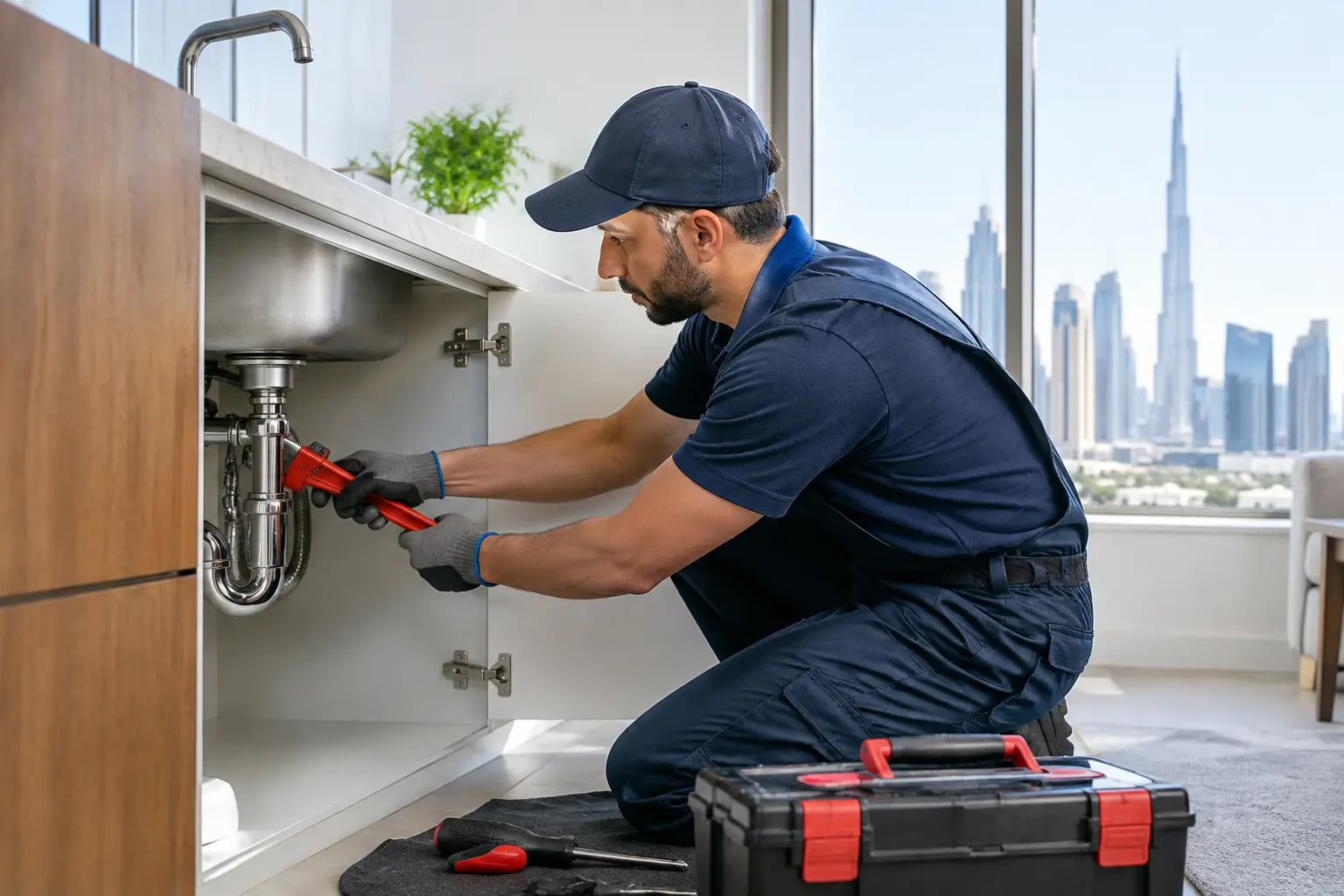
A burst flexible hose under a bathroom sink can release enough water to damage cabinets, flooring, and a neighboring apartment in minutes. This emergency plumbing guide explains what to do first, what not to touch, and when a qualified plumbing technician needs to take over. Fast action matters, but safe action matters more.
Emergency Plumbing Guide: First Actions to Take
Your first objective is not to diagnose the full fault. It is to stop or contain the water, protect people and electrical equipment, and prevent further damage to the property.
If water is actively flowing, close the nearest isolation valve if you can reach it safely. Toilet and sink valves are usually located beneath or behind the fixture. For a washing machine, dishwasher, or water heater leak, close the appliance supply valve where available. If the valve is seized, corroded, or requires force, do not force it. A damaged valve can make a manageable leak much worse.
When you cannot isolate the affected fixture, shut off the main water supply to the property. In villas, this may be near the water meter, external service area, or a ground-floor utility space. In apartments, the valve may be in a kitchen cabinet, bathroom service shaft, utility closet, or common riser area. Building layouts vary, so it is sensible to identify the main shutoff before an emergency occurs.
Once the water is off, switch off power only if it is safe to do so. Never stand in water to reach a switch, breaker panel, plug, or appliance. If water has reached sockets, extension leads, electrical equipment, or a water heater, keep clear of the area and arrange professional help. Plumbing and electrical faults can overlap quickly.
Move rugs, loose furniture, and valuables away from the affected area. Place towels, buckets, or shallow trays under a controlled drip, then take clear photos of the leak and any visible damage. These photos can help a landlord, building management team, insurer, or technician understand what happened.
Know Which Plumbing Emergencies Cannot Wait
A dripping tap is frustrating, but it is not normally an after-hours emergency. A pipe that is spraying water, a toilet that is overflowing, or wastewater backing up through a floor drain is different. The key question is whether the issue creates an immediate risk of flooding, contamination, structural damage, or loss of essential water service.
Burst pipes and active leaks
A burst pipe, split hose, failed angle valve, or leaking water heater connection should be treated urgently. Even a small pressurized leak can continue behind cabinets or inside a wall after the visible water has slowed. Shut off the supply and arrange an inspection as soon as possible.
Do not rely on tape, sealant, or a temporary clamp as a permanent repair. These may reduce a drip briefly, but they do not correct a worn connector, cracked pipe, failed fitting, or excessive water pressure. The root cause needs to be identified before water is restored.
Overflowing toilets and drain backups
If a toilet bowl is rising, remove the tank lid and lift the float if accessible, then close the toilet isolation valve. Do not continue flushing to test whether the blockage has cleared. If wastewater is coming up through a shower drain, floor drain, or multiple fixtures, stop using all water in that area. This can indicate a blockage farther along the drainage line rather than a simple fixture-level clog.
Wear gloves if you need to contain wastewater, keep children and pets away, and avoid using chemical drain cleaners. Strong chemicals can injure occupants, damage some pipework, and create a hazard for the technician who later opens the drain.
Water heater leaks or no hot water
Water around a water heater deserves prompt attention, particularly if it is close to electrical connections. Turn off the water supply to the heater if safe, then switch off its electrical supply at the appropriate isolator or breaker only from a dry location. Do not remove panels or attempt to reset safety controls.
A lack of hot water without any leak may not be an emergency, but it should still be assessed if the heater is tripping power, making unusual noises, releasing discolored water, or showing signs of corrosion. In Dubai properties, sediment buildup, faulty heating elements, thermostat issues, pressure relief valve faults, and aging flexible connectors are common causes that require proper inspection.
What Not to Do During a Plumbing Emergency
Well-intended temporary repairs can increase damage or create a safety issue. Avoid opening concealed access panels unless you know the area is dry and free of electrical risk. Do not cut pipes, dismantle water heater components, or use excessive force on old valves.
It is also unwise to pour boiling water, acid-based cleaners, or repeated doses of drain chemicals into a blocked line. A blockage may be caused by grease, wipes, scale, foreign objects, or a drainage-line fault. The correct method depends on the location and type of obstruction. Mechanical clearing, camera inspection, or targeted pipe repair may be needed.
For tenants in an apartment building, do not assume the issue belongs to the building simply because water appears in a shared area. Equally, do not assume it is entirely inside your unit. A technician can help determine whether the fault is in a fixture connection, branch line, common riser, or building drainage system. Notify building management promptly where a leak may affect neighboring units or common infrastructure.
Give the Technician Useful Information
Accurate details help a plumbing team arrive prepared and reduce diagnostic time. When booking urgent service, explain whether the water is still running, whether the main supply is off, and which rooms are affected. Mention if there is sewage, a water heater, a ceiling leak, or nearby electrical equipment.
Photos and short videos are useful if they can be taken safely. Include the leaking connection or fixture, the surrounding area, and any water staining on ceilings or walls. If you know when the problem began, whether it followed recent work, or whether it happens only when a certain appliance runs, share that information too.
A professional diagnosis should distinguish between the visible symptom and the actual failure. For example, water under a kitchen sink may come from a drain connection, a mixer hose, a filter unit, a dishwasher inlet, or a leaking pipe inside the cabinet. Replacing the wrong part may stop the symptom temporarily while leaving the real issue unresolved.
After the Water Is Stopped
Stopping the leak is the first milestone, not always the final repair. Drying and follow-up inspection protect the property from odors, mold growth, cabinet swelling, ceiling damage, and hidden deterioration.
Ventilate the space where possible and use fans only when the electrical area is confirmed dry and safe. Lift wet items off the floor, dry accessible surfaces, and keep an eye on adjacent rooms, lower ceilings, and built-in cabinetry. In a villa, check external walls and service areas. In an apartment, report potential seepage to building management early, especially if water may travel to another unit.
Before restoring water, a technician should inspect the repaired connection, test for leaks under normal pressure, and confirm that the isolation valves operate correctly. If the event involved a water heater, the system should also be checked for safe electrical operation and correct pressure relief performance.
For landlords and property managers, document the repair, parts used, and any recommendations for follow-up work. This is particularly useful where an older flexible hose, corroded valve, or repeated drain blockage suggests that preventive maintenance is more cost-effective than repeated emergency callouts.
Reduce the Chance of the Next Emergency
Most plumbing emergencies give small warnings first: a cabinet that smells damp, a toilet that occasionally refills, reduced water pressure, a slow drain, rust on a valve, or intermittent water heater leaks. Addressing these signs early is usually less disruptive than waiting for a failure.
At least once or twice a year, inspect visible hoses beneath sinks, behind toilets, and around washing machines. Look for bulging, cracking, rusted fittings, staining, and moisture. Test accessible isolation valves gently so you know they work. If a valve is stiff or leaking, schedule replacement rather than discovering the problem during a burst-pipe event.
For villas, regular checks of outdoor taps, irrigation connections, pump rooms, water tanks, and water heater installations are especially worthwhile. For apartments, focus on under-sink connections, concealed cistern access points, washing machine hoses, AC drain lines, and water heater cupboards. DHRS Dubai provides practical inspections and plumbing repairs with clear fault reporting, helping property owners make informed decisions before a minor issue becomes an urgent one.
Keep your main water shutoff location saved in your phone, along with the contact details for building management and a trusted plumbing service. When water starts moving where it should not, those few prepared steps can protect your property, your neighbors, and your peace of mind.
Need Home Maintenance in Dubai?
Contact the experts at DHRS Dubai for fast, reliable service.
Get a Quote