
Emergency AC Repair When Your Cooling Stops
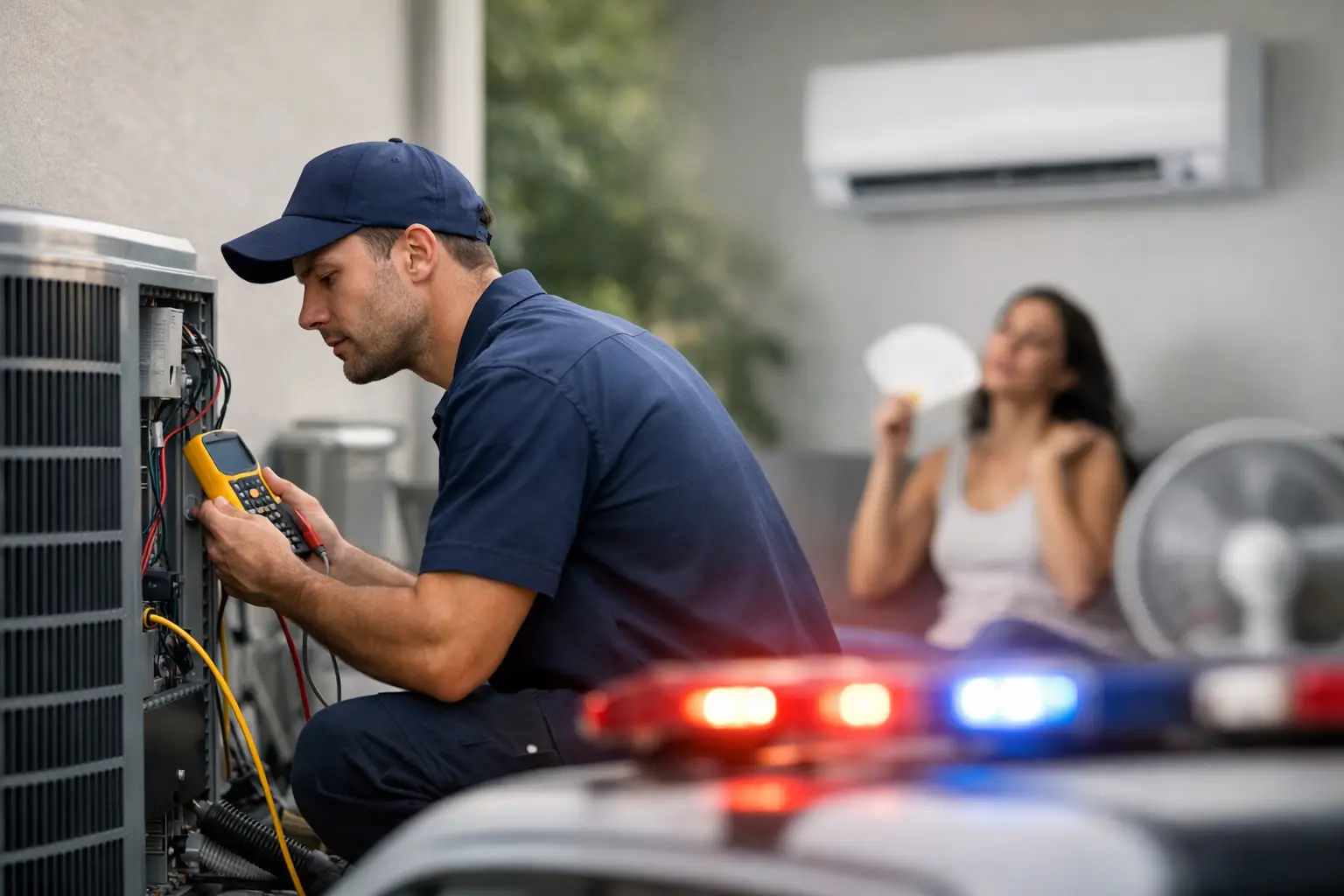
A Dubai AC failure is more than an inconvenience when indoor temperatures begin climbing quickly. Whether you are in an apartment, villa, office, or retail space, emergency AC repair may be needed when the system stops cooling, trips power, leaks heavily, or produces signs of an electrical fault. The right first steps can protect your equipment, prevent water damage, and help a technician diagnose the real problem faster.
When Emergency AC Repair Is Actually Needed
Not every cooling issue requires an urgent callout. A system that is still cooling but cannot quite reach the thermostat setting may need a scheduled inspection, filter service, coil cleaning, or thermostat adjustment. However, some symptoms should not wait, particularly during hot weather or when there is a risk to people, property, or the HVAC system itself.
Arrange urgent professional help if you notice any of the following:
- The AC has stopped completely and the indoor temperature is rising rapidly.
- A burning smell, smoke, sparks, or unusual buzzing is coming from the indoor unit, outdoor condenser, electrical panel, or thermostat.
- The circuit breaker trips repeatedly when the AC starts.
- Water is overflowing from the fan coil unit, staining ceilings, damaging walls, or pooling near electrical points.
- The unit makes loud grinding, banging, or metal-on-metal sounds.
- A vulnerable resident, such as an infant, older adult, or person with a medical condition, cannot safely remain in an overheated property.
For electrical smells, smoke, sparking, or repeated breaker trips, switch the AC off at the thermostat if safe to do so, then isolate power at the relevant breaker. Do not reset a breaker repeatedly. This can worsen damage to wiring, a compressor, fan motor, or control board.
What to Do Before the Technician Arrives
A few sensible checks can rule out simple issues without putting you at risk. Start with the thermostat. Confirm that it is set to Cool, the target temperature is below the current room temperature, and the batteries are working if it uses them. If a smart thermostat has recently been installed or settings were changed, a configuration or compatibility issue can sometimes prevent the system from operating correctly.
Next, check whether electricity is available elsewhere in the property. If only the AC circuit has tripped, do not keep switching it back on. One reset may be reasonable after confirming there is no odor, smoke, or visible damage. If it trips again, leave it off and request inspection.
If water is leaking from an indoor AC unit, turn the system off to limit further condensation. Move furniture, rugs, electronics, and valuables away from the affected area. A clogged condensate drain line is common in Dubai because of high AC use and humidity, but an overflowing drain pan, failed condensate pump, frozen coil, or poor insulation can create similar symptoms. The visible water is only part of the issue. A technician should identify why drainage failed before restarting the unit.
Avoid removing electrical covers, opening refrigerant lines, adding refrigerant yourself, or forcing a jammed fan to turn. These actions can create safety risks and often turn a repairable fault into a more expensive one.
Why an AC Can Fail Without Warning
Most emergency calls have an underlying cause that developed over time. AC systems often give small warnings before they stop altogether: weaker airflow, longer cooling cycles, intermittent shutdowns, water drips, unusual noise, or a utility bill that rises without a clear reason. These signs are easy to overlook until the equipment fails on a very hot day.
In apartments, common causes include blocked drain lines, dirty filters, fan coil control faults, thermostat issues, and problems with the chilled-water valve or fan motor. In villas with split or ducted systems, an outdoor condenser may also be affected by a failed capacitor, contactor, compressor protection fault, refrigerant leak, dirty coil, or electrical issue.
The exact diagnosis depends on the type of system. A fan coil unit that blows air but is not cold needs a different inspection from a split AC that will not start at all. A qualified technician should not guess based only on the symptom. Proper emergency AC repair means testing the electrical supply, controls, airflow, drain system, mechanical components, and cooling performance to find the root cause.
What a Proper Emergency Diagnosis Looks Like
Fast service matters, but speed should not mean rushed work. A technician should first make the area safe, listen to what happened before the failure, and inspect the affected equipment. The process should include practical checks rather than a vague recommendation to replace major parts immediately.
For a no-cooling complaint, the inspection may involve checking thermostat commands, isolators, breaker condition, voltage, capacitors, contactors, motor operation, compressor readings, air filter condition, evaporator coil condition, and refrigerant pressures where appropriate. If the unit is leaking, the drain tray, drain line, pump, insulation, and coil condition should be assessed.
You should be informed of the fault, the recommended repair, and any parts or materials required before work begins. Some faults can be resolved during the first visit, such as a blocked drain, failed capacitor, loose connection, or faulty thermostat component. Others depend on part availability, access to outdoor equipment, landlord approval, or further investigation of a refrigerant leak.
That distinction matters. Adding refrigerant may restore cooling temporarily, but it does not solve a leak. Similarly, replacing a tripped breaker without finding why it tripped can leave a potentially unsafe electrical fault unresolved.
AC Emergencies in Apartments, Villas, and Offices
The best response changes with the property. Apartment residents should check whether the issue is limited to their unit or affects common areas as well. In some buildings, chilled-water supply, central controls, or building-managed equipment may be involved. Tenants should document water damage and notify building management or the landlord where required, while still taking action to stop an active leak.
Villa owners often have more responsibility for both indoor units and external condensers. Outdoor units may be located on roofs, balconies, side passages, or service areas that require safe access. Never attempt roof-level repairs in extreme heat or without proper equipment.
For offices and commercial properties, an AC shutdown can affect staff comfort, equipment rooms, customer areas, and operating hours. Facilities coordinators should provide technicians with access details, unit history, recent electrical work, and any recurring fault information. This reduces delays and helps separate a one-off component failure from a wider maintenance problem.
How to Reduce the Chance of Another Breakdown
Emergency repairs restore comfort, but preventive maintenance reduces the chance of another urgent failure. In Dubai, AC systems work for long periods under heavy load, so neglect becomes expensive quickly. A clean filter alone supports airflow and helps prevent coil icing, poor cooling, and unnecessary strain on the fan motor.
A useful maintenance visit should go beyond a quick surface clean. It should assess filters, evaporator and condenser coils, drain lines, electrical connections, thermostat operation, airflow, insulation, and overall cooling performance. The correct schedule depends on the system, occupancy, pets, dust exposure, and how continuously the AC runs. Villas with several units and properties near construction activity may need more frequent attention than a lightly occupied apartment.
Keep a simple record of previous repairs, replaced parts, and recurring symptoms. If an AC unit repeatedly leaks, trips power, or loses cooling, that history helps identify patterns. It also makes it easier to decide whether continued repairs are sensible or whether a replacement is genuinely required.
Choosing a Repair Provider During an Urgent Callout
When cooling stops, it is tempting to book the first available provider. Availability is important, but clear diagnostics and transparent communication are equally valuable. Ask whether the technician will inspect the fault before quoting a major repair, whether parts and materials will be explained upfront, and whether the work includes appropriate testing after the repair.
For properties across Dubai, DHRS Dubai provides practical AC inspections and repairs with an emphasis on identifying the root cause, not simply treating the visible symptom. This approach is particularly useful when a system has failed more than once or when water, electrical, and HVAC issues may be connected.
A working AC should be quiet, drain correctly, cool consistently, and operate without repeatedly tripping power. If it does not, acting early protects both comfort and property condition. Turn off equipment when there are safety signs, protect the affected area from water damage, and choose a technician who can explain what failed and what will prevent the same problem from returning.
Need Home Maintenance in Dubai?
Contact the experts at DHRS Dubai for fast, reliable service.
Get a Quote