Dubai Maintenance That Prevents Costly Breakdowns
A property can look perfectly maintained while a blocked AC drain, a slow water leak, or a loose electrical connection is developing behind the scenes. Effective Dubai maintenance is not just about responding when something stops working. It is about finding small faults early, protecting high-use systems, and keeping a home, rental property, or workplace safe and comfortable through Dubai’s demanding climate.
For villa owners, apartment residents, landlords, and facilities teams, the practical question is not whether maintenance is needed. It is which work should be scheduled, which warning signs require prompt attention, and when a repair is no longer the sensible option.
What Dubai Maintenance Should Cover
A reliable maintenance plan starts with the systems that cause the greatest disruption when they fail: air conditioning, plumbing, electrical equipment, and water heating. These systems are interconnected in day-to-day use. For example, an AC drainage issue may damage a ceiling, while a plumbing leak can affect electrical fittings or cabinetry below it.
The right level of service depends on the property. A one-bedroom apartment may need periodic AC servicing, plumbing checks, and quick support for minor repairs. A villa has more equipment to monitor, often including multiple AC units, exterior lighting, pumps, water tanks, irrigation connections, and larger hot-water systems. Commercial properties may also need maintenance planned around business hours, tenant access, and safety requirements.
Preventive work does not mean replacing equipment simply because it is old. Honest diagnostics matter. A skilled technician should inspect the condition of the system, explain the root cause, identify parts or materials required, and recommend replacement only when repair is no longer safe, reliable, or cost-effective.
AC Maintenance Is a Year-Round Priority
In Dubai, AC is a core property system, not a seasonal convenience. A unit can still produce cool air while operating inefficiently, draining poorly, or placing unnecessary strain on components. Waiting for a complete failure can mean less comfort, more urgent repair costs, and possible water damage.
Regular AC maintenance generally includes cleaning filters, checking airflow, inspecting electrical connections, cleaning relevant components, testing cooling performance, and confirming that condensate drains correctly. The precise scope should reflect the type of system, its condition, and how heavily it is used.
Signs Your AC Needs Attention
Call for an inspection if you notice weak airflow, uneven temperatures between rooms, water dripping from an indoor unit, unusual noise, unpleasant odors, or a sudden increase in electricity consumption. A thermostat that does not respond correctly may also be a control issue rather than a failed AC unit.
For older properties or smart-home upgrades, compatibility is worth checking before installing a smart thermostat. Some HVAC systems need an adapter or converter to work safely with modern controls such as Google Nest. A correct assessment prevents a new device from creating a wiring or performance problem.
Plumbing Problems Rarely Stay Small
A dripping faucet may be a minor repair, but moisture inside a vanity, behind a toilet, under a sink, or around a water heater should be treated differently. Water can travel through walls and floor finishes before it becomes visible, particularly in apartments where one leak can affect another unit.
Look for damp patches, peeling paint, a persistent musty smell, low water pressure, slow drainage, discolored water, or unusually high water bills. These signs do not all have the same cause. Low pressure could relate to a fixture, valve, filter, pump, or supply issue. The value of a proper plumbing visit is identifying the source before replacing parts.
Water heaters also need sensible attention. Fluctuating water temperature, visible corrosion, water around the unit, tripping electrical breakers, or rumbling sounds should not be ignored. In some cases, a component repair restores safe operation. In others, especially when the tank is corroded or leaking, replacement is the safer decision. Solar water heaters require their own inspection approach, including connections, circulation, controls, and overall system performance.
Electrical Work Requires More Than a Quick Fix
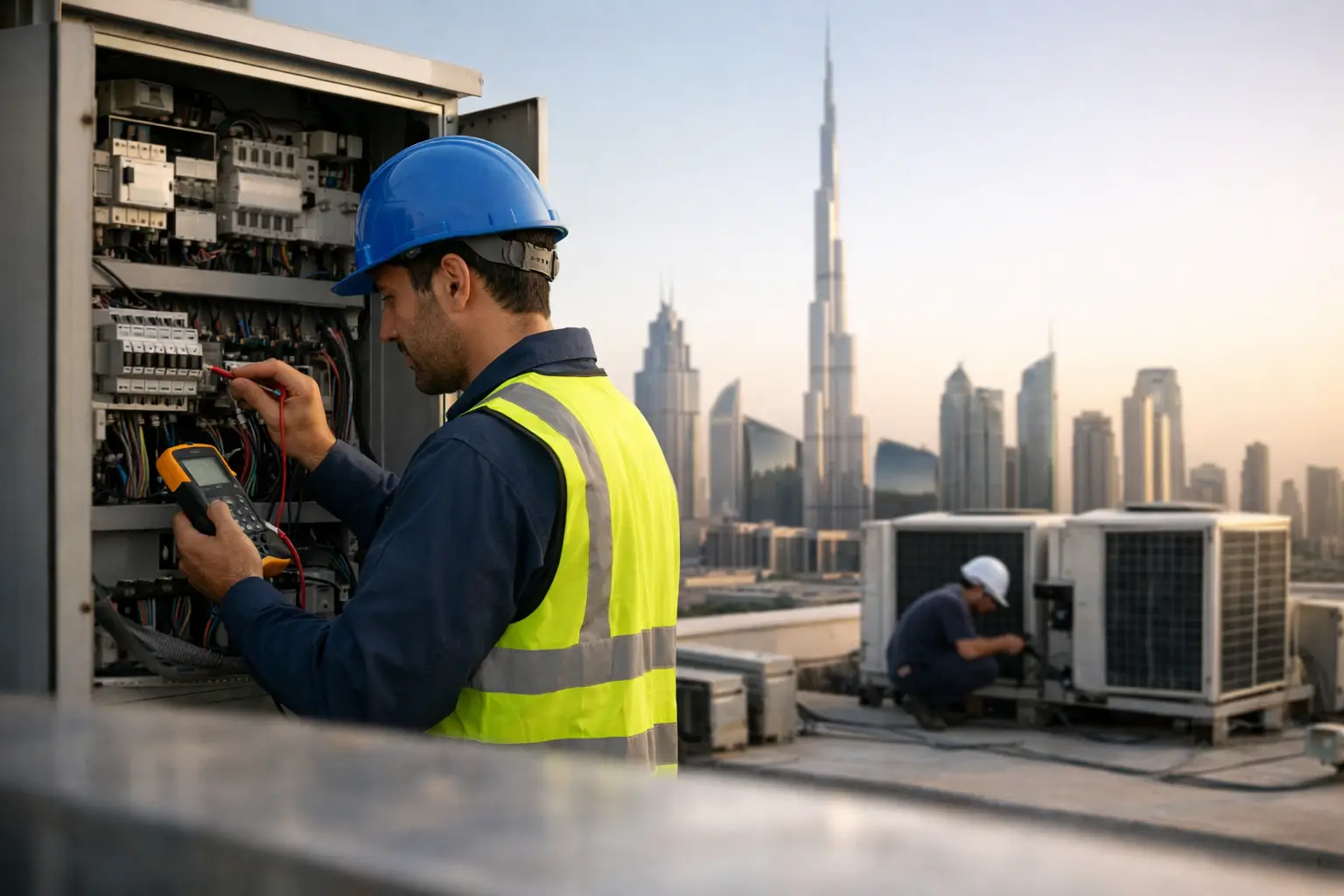
Repeated breaker trips, flickering lights, hot switches, burning smells, damaged sockets, and outlets that stop working are reasons to arrange professional electrical fault finding. Resetting a breaker without understanding why it tripped can leave the underlying overload, loose connection, appliance fault, or wiring issue unresolved.
Electrical maintenance is especially valuable after renovations, during tenant changeovers, and when adding appliances, pumps, lighting, smart devices, CCTV, or electric water heaters. New equipment changes the load on a circuit. The correct installation considers cable condition, protective devices, connection quality, and the demands of the equipment being added.
Avoid treating electrical safety as a cosmetic issue. A switch plate may look fine while the connection behind it has overheated. An expert inspection provides a clearer answer than repeated temporary fixes.
Preventive Property Care Protects the Finish as Well
Maintenance is also about keeping a property presentable and usable. Small gypsum cracks, damaged paint, loose cabinet hinges, worn door locks, silicone failures around wet areas, and minor carpentry defects can quickly affect tenant satisfaction or the condition of a home.
For landlords and property managers, a planned inspection between tenancies can reduce last-minute work before handover. It is a practical time to test AC units, inspect plumbing fixtures, repair walls, check lighting and sockets, service water heaters, and address door or cabinetry issues. Completing this work in a coordinated visit is often easier than arranging separate urgent repairs after a new tenant moves in.
Water tank cleaning and water filtration should also be considered based on the building setup, water quality concerns, and manufacturer guidance. These are not identical services. Cleaning addresses the condition of the tank, while filtration focuses on the water delivered for use. A technician should explain what the property needs rather than treating every issue with the same solution.
How to Choose a Dubai Maintenance Provider
The fastest available technician is not always the right choice, particularly for recurring faults or larger repairs. Look for a provider that can diagnose across multiple systems, communicate clearly, and give you enough information to make an informed decision.
Before work begins, ask what has been found, what repair is proposed, whether parts are required, and whether there are alternative options. For an urgent leak or AC failure, speed matters. For a replacement decision, a short explanation of condition, expected repair outcome, and cost difference is equally important.
A dependable provider should also respect access arrangements, protect the work area where necessary, and test the repair before leaving. For commercial sites, clear coordination around access, safety, and operating hours can be as important as the repair itself.
DHRS Dubai has provided residential and commercial technical services since 2005, handling urgent faults alongside scheduled property care. The focus should always remain practical: diagnose accurately, explain the work, and avoid unnecessary replacement recommendations.
A Simple Maintenance Schedule That Works
There is no single schedule for every Dubai property, but routine checks are easier to manage when they follow equipment use and property risk. AC systems generally deserve attention before periods of heavy cooling demand and whenever performance changes. Plumbing and water heaters should be checked promptly when leaks, pressure changes, or temperature problems appear. Electrical concerns should be inspected immediately when there is heat, smell, repeated tripping, or visible damage.
For villas, include exterior systems in the plan. Outdoor lights, gates, irrigation connections, pumps, drainage points, and roof-adjacent equipment are exposed to heat, dust, and weather changes. For apartments, focus closely on AC drainage, concealed plumbing, water heaters, kitchen and bathroom fittings, and electrical outlets.
Keep a simple record of work completed, parts replaced, and any recommendations made. This helps owners track recurring issues, gives landlords useful documentation, and allows a technician to understand the history of a system without guesswork.
The most useful maintenance visit is often the one booked before an inconvenience becomes an emergency. If something is dripping, tripping, overheating, draining slowly, or cooling poorly, arrange an inspection while the repair is still likely to be straightforward.
Need Home Maintenance in Dubai?
Contact the experts at DHRS Dubai for fast, reliable service.
Get a Quote