
Common Water Leak Warning Signs to Act On
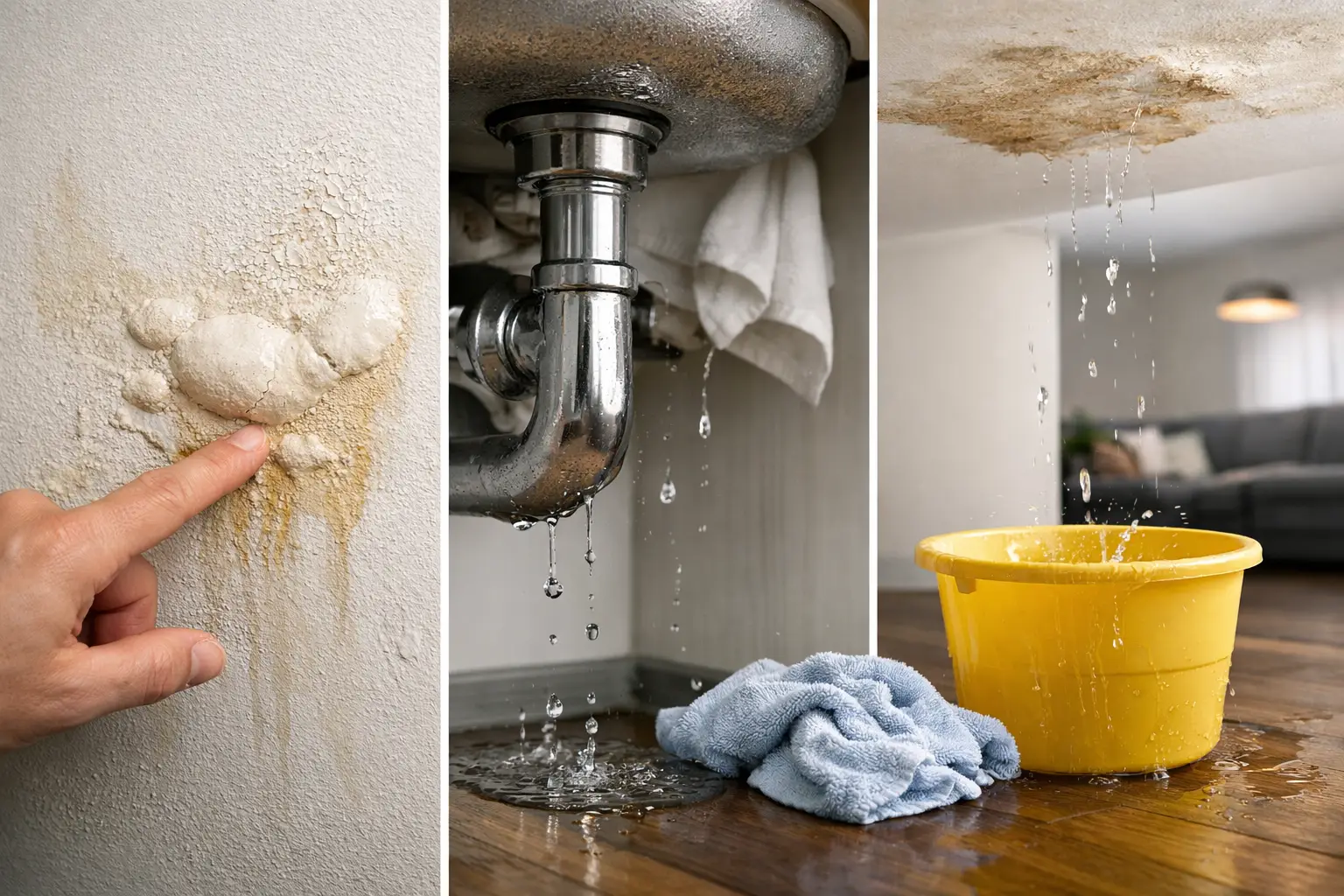
A water leak rarely starts with a dramatic burst pipe. More often, it begins with a faint musty smell in a bathroom cabinet, a water bill that no longer matches your usual use, or a small stain spreading across a ceiling. Knowing the common water leak warning signs helps Dubai property owners and tenants act before moisture damages finishes, encourages mold growth, or reaches electrical fittings.
In apartments, the source may be inside your unit, in a neighboring unit, or within a shared building service line. In villas, leaks can occur in concealed bathroom pipes, irrigation lines, water heaters, roof areas, and external plumbing. The visible mark is not always where the problem began, which is why a proper diagnosis matters.
Common Water Leak Warning Signs in Homes
A water bill that rises without explanation
An unusually high DEWA bill is one of the clearest early indicators of a hidden leak. If the number of occupants, watering schedule, and daily routines have not changed, unexplained consumption deserves investigation. Even a small toilet fill-valve leak or a slow pipe seep can waste a significant amount of water over a month.
Start by checking for obvious causes, such as a recently adjusted irrigation timer, guests staying in the property, or a water tank issue. If none applies, turn off all taps, appliances that use water, and irrigation where possible, then observe whether the water meter continues moving. Movement can indicate ongoing water flow, although the result should be assessed carefully in properties with tanks, booster pumps, or shared systems.
Damp patches, discoloration, or bubbling paint
Yellow, brown, or gray marks on a wall or ceiling are not cosmetic problems to paint over. They may indicate water traveling behind plasterboard, through concrete, or along a pipe route. Peeling paint, swollen wall areas, lifting wallpaper, and bubbling gypsum finishes are similarly common signs of trapped moisture.
The location offers useful clues but does not confirm the source. A stain below an upstairs bathroom may point to a shower drain, toilet connection, floor waterproofing failure, or a supply pipe. A damp wall near an AC unit could be a plumbing leak, but it could also be condensate drainage from the air conditioning system. An expert inspection should separate these possibilities before repairs begin.
Musty odors and recurring mold
Bathrooms, laundry rooms, kitchens, and under-sink cabinets can develop odors when moisture remains hidden for too long. Mold may appear as dark specks around silicone, grout, baseboards, or ceiling corners. Surface mold can result from poor ventilation, but recurring mold in the same area often means there is more than humidity involved.
Dubai's humid months and heavily used AC systems can make moisture-related symptoms less obvious. However, an odor that persists after cleaning and ventilating should not be ignored. Finding the moisture source is more effective than repeatedly treating the visible surface.
A constantly running toilet or weak water pressure
A toilet that refills by itself, hisses after flushing, or sends a slight ripple into the bowl may be leaking internally. This type of leak is easy to overlook because the water goes directly into the drain rather than onto the floor. It can still add considerably to water use.
Changes in water pressure can also be a warning sign, particularly if pressure drops suddenly at one fixture or throughout the property. The cause may be a blocked aerator, faulty valve, pump issue, or plumbing leak. Pressure alone does not prove a leak, but it is worth reporting when it appears alongside dampness, meter movement, or unusual water bills.
Warm or cold spots on floors and walls
A concealed hot-water pipe leak can create a noticeably warm area on a tiled floor or wall. In contrast, cold, damp-feeling areas can occur where water has saturated materials behind the finish. In villas, pay attention to flooring that feels different along a repeated path, especially near bathrooms, kitchens, water heaters, or utility areas.
Do not lift tiles or break walls based only on a temperature change. Targeted leak detection and plumbing checks can reduce unnecessary damage and help locate the root cause before opening finished surfaces.
Loose tiles, warped cabinets, and damaged joinery
Moisture changes the condition of materials over time. Tiles may loosen when water affects the adhesive or subfloor. Laminate flooring can swell at joints, wooden cabinets may bow at the base, and skirting boards can separate from walls. Under-sink cabinet damage is especially common when small leaks from trap connections, filter systems, or flexible hoses go unnoticed.
These symptoms usually mean the leak has been active for longer than expected. A repair should include drying and an assessment of affected finishes, not simply tightening the visible connection.
Where Hidden Leaks Commonly Start
Some leak locations are predictable because of daily use, pressure changes, and aging fittings. Bathrooms are frequent problem areas, including mixer valves, flexible hoses, toilet connections, shower drains, bathtub waste lines, and waterproofing around shower trays. Kitchens can develop leaks under sinks, around dishwashers, water filters, and refrigerator water connections.
Water heaters need particular attention. A leaking temperature and pressure relief valve, corroded tank, failing pipe connection, or damaged expansion component can cause water loss and property damage. If water is present around a heater, switch off its power supply only if it is safe to do so, avoid touching wet electrical components, and arrange a professional inspection.
In villas, external irrigation pipes, garden taps, underground lines, water tanks, and pump connections should also be considered. In apartment buildings, ceiling stains and wet shafts may involve common plumbing or another unit, so prompt reporting to building management is often necessary.
What to Do When You Suspect a Leak
Your first priority is limiting damage, not guessing at the repair. If water is actively flowing, close the nearest isolation valve. If you cannot identify it, use the main water shutoff valve if accessible. Move furniture, rugs, electronics, and stored items away from the affected area. Take clear photos of stains, dripping points, and damaged finishes before they change.
If water is near sockets, light fittings, electrical panels, or appliances, do not touch the area. Turn off power to the affected circuit only when you can do so safely and have a qualified technician assess the situation. Water and electricity require a cautious response.
For tenants, notify the landlord or property manager promptly and document the issue. For apartment owners, report possible inter-unit or common-area leaks to building management. Waiting for a stain to dry can create complications later, especially when responsibility for the source needs to be established.
Why a Professional Inspection Saves Time
A visible drip can sometimes be resolved with a new washer or tightened fitting. Concealed leaks are different. Opening walls without evidence can create extra repair costs and still miss the source. A methodical plumber checks water pressure, fixtures, supply lines, drainage behavior, accessible pipework, and moisture patterns before recommending work.
The right repair also depends on the cause. A failed flexible hose needs replacement, while a leaking shower area may require sealant, drain repair, or waterproofing work. A corroded pipe section may require a localized repair, but repeated failures can justify a broader replacement plan. Honest diagnostics help avoid replacing parts that are not actually responsible.
Since 2005, DHRS Dubai has helped residents, landlords, and property managers identify plumbing faults and repair water leaks with clear findings and practical recommendations. For urgent leaks, fast action can protect ceilings, cabinetry, flooring, and the neighboring property below.
Reducing the Risk of Future Water Damage
Preventive checks are particularly valuable before long travel periods, tenant handovers, or the summer season, when homes may be unoccupied while AC systems continue operating. Inspect visible hoses beneath sinks, behind washing machines, and near water heaters for corrosion, cracking, or dampness. Replace aging flexible connections before they fail rather than waiting for a rupture.
Check silicone around showers and bathtubs, make sure drains clear properly, and listen for toilets that continue refilling. In villas, review irrigation schedules and periodically inspect valve boxes and outdoor taps. If you plan to leave a property vacant, consider shutting off the main water supply where appropriate, while following any building or system requirements.
A small stain, odor, or meter change is often the property asking for attention early. Acting on it while the source is still contained gives you more repair options, less disruption, and a better chance of protecting the finishes you have already invested in.
Need Home Maintenance in Dubai?
Contact the experts at DHRS Dubai for fast, reliable service.
Get a Quote