
AC Noise Reduction: Find the Real Cause
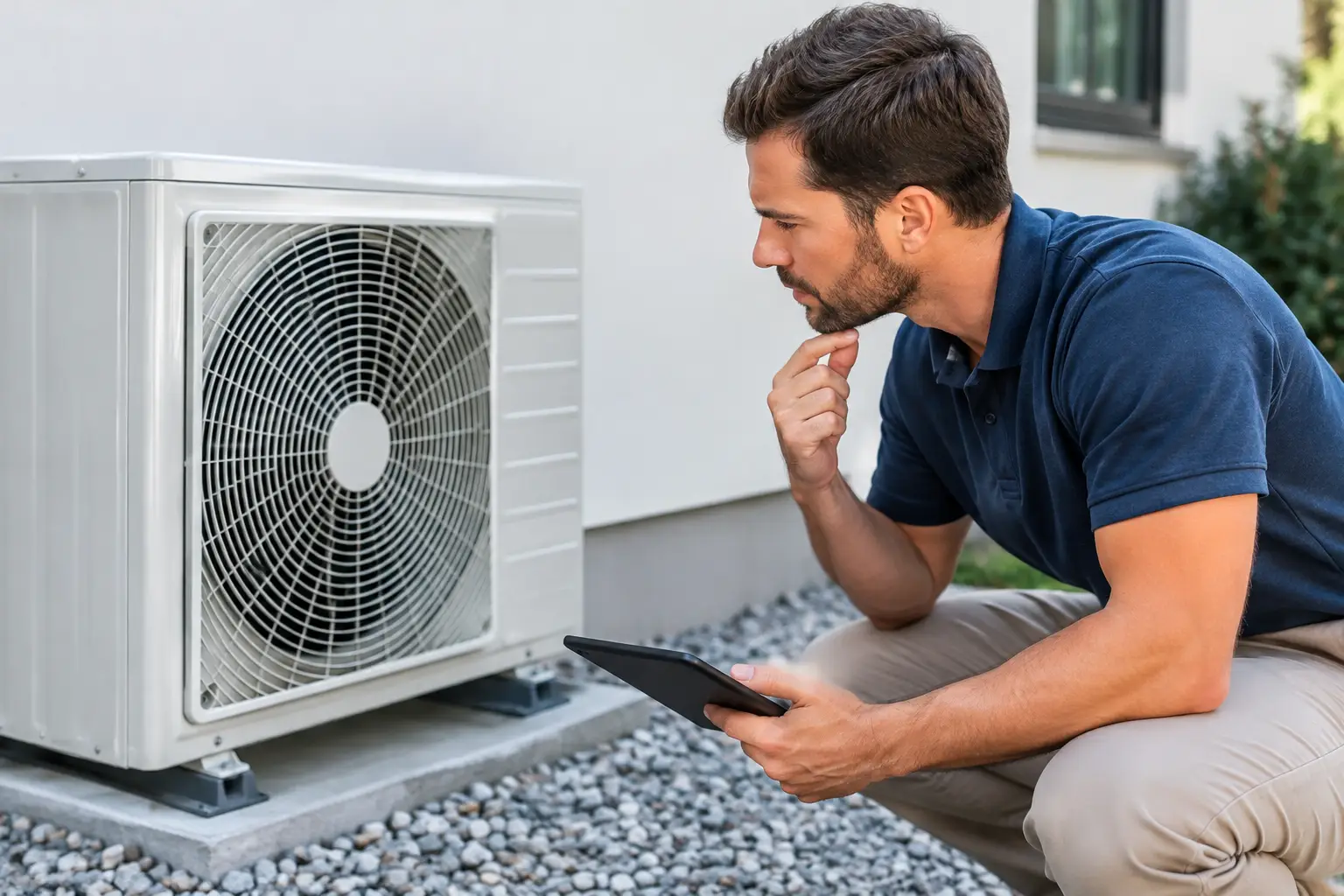
A quiet AC system is easy to take for granted until a rattle interrupts sleep, a high-pitched squeal starts during a meeting, or the outdoor unit becomes loud enough to disturb the neighbors. Effective AC noise reduction is not usually about covering up the sound. It starts by identifying which component is making it, why it has changed, and whether the issue could affect cooling performance, energy use, or safety.
In Dubai, AC equipment often runs for long hours through demanding weather. That constant operation puts pressure on motors, fan assemblies, ductwork, electrical parts, and refrigerant components. Some operational sound is normal. Sudden, repetitive, or increasing noise is not something to ignore.
What a Normal AC Sound Should Be
A well-maintained split AC or central HVAC system produces a low, steady airflow sound indoors and a moderate fan or compressor sound outdoors. You may hear a brief click when the thermostat starts or stops the system, a soft rush of air at supply vents, and occasional expansion noises as metal components change temperature.
The concern begins when the sound is new, noticeably louder than before, or paired with weak airflow, poor cooling, water leakage, burning smells, vibration, or rising electricity bills. A sound that comes and goes can still point to a developing fault. Waiting until the unit stops cooling often turns a smaller repair into a larger one.
AC Noise Reduction Starts With the Type of Sound
Different noises point technicians toward different parts of the system. Listening carefully is helpful, but an accurate diagnosis also requires checking airflow, mounting, electrical readings, drain condition, filters, coils, and mechanical wear.
Rattling or vibrating
Rattling is one of the most common complaints in apartments, villas, and offices. It can be caused by a loose front panel, filter cover, drain tray, duct access panel, fan guard, or outdoor-unit casing. On older systems, loose screws and weakened mounting hardware are frequent causes.
Vibration can also travel through a wall, ceiling void, or metal duct. An outdoor condenser installed on brackets may sound much louder indoors if the brackets are loose, corroded, or missing proper anti-vibration pads. Tightening a visible panel may reduce the sound temporarily, but the source should be checked before assuming the problem is solved.
Buzzing or humming
A mild hum while the AC is running can be normal. A loud electrical buzz, however, may indicate a failing capacitor, contactor issue, loose wiring, transformer problem, or a compressor under strain. It can also occur when a fan motor is not running correctly.
Do not remove electrical covers or attempt to repair wiring yourself. Switch off the system if buzzing is loud, persistent, or accompanied by a burning odor, heat around the unit, or repeated breaker trips. These conditions need prompt professional inspection.
Squealing or screeching
High-pitched squealing often relates to a fan motor bearing, blower wheel, belt-driven component in certain commercial equipment, or a motor beginning to fail. In some cases, restricted airflow makes the blower work harder and increases the noise.
A dirty filter alone does not always cause a squeal, but it can contribute to strain. Replacing or cleaning filters on schedule is a simple first step. If the sound continues after the filter is addressed, the indoor fan assembly and motor should be inspected rather than left to wear further.
Banging, clanking, or knocking
A loose fan blade, damaged blower wheel, broken motor mount, or foreign object inside the unit can create banging or clanking. This is not a noise to tolerate for long. A loose moving part can damage the coil, fan housing, motor, or compressor components.
Outdoor units sometimes collect debris after landscaping work, storms, or nearby construction. Never reach through a grille while the system is powered. A technician can safely isolate the unit, inspect the fan area, and check whether the blade is balanced and securely fixed.
Hissing, bubbling, or gurgling
Hissing can be associated with refrigerant movement, but a sustained or unusual hiss may indicate a refrigerant leak. Bubbling or gurgling may also come from refrigerant flow or from a partially blocked condensate drain line, depending on where the noise is heard.
Refrigerant issues are not suitable for a quick top-up without testing. The correct process is to locate the leak where possible, repair it, pressure-test the system, evacuate it, and charge it to the manufacturer’s specification. Adding refrigerant without correcting a leak can lead to recurring poor cooling and unnecessary cost.
Why Noise Often Gets Worse in Dubai Properties
Heat, dust, and continuous AC demand create a difficult operating environment. Clogged filters reduce airflow. Dust accumulation on evaporator coils and blower wheels can make fans louder and reduce cooling efficiency. Outdoor coils affected by dirt or poor ventilation force the condenser to work harder, which can make the compressor and fan sound more noticeable.
Installation quality also matters. A correctly sized system can still be noisy if the indoor unit is poorly mounted, refrigerant piping is unsupported, ducts are undersized, or air grilles are too restrictive. In villas, vibration may transfer through roof structures or service shafts. In high-rise apartments, noise can be amplified by false ceilings and compact utility spaces.
For ducted systems, a loud whooshing sound at one or two vents often indicates excessive air velocity, an obstructed grille, a closed damper, poor duct sizing, or a blower setting that needs review. Simply closing more vents is rarely the right answer. It may increase static pressure and create other airflow problems.
Practical Steps You Can Take Before Booking a Repair
Start with the safe, simple checks. Make sure the filter is clean and installed correctly, confirm that indoor and outdoor unit covers are properly closed, and remove loose objects stored near the outdoor condenser. Check whether furniture, curtains, or decorative screens are blocking supply or return vents.
Pay attention to timing. Does the noise begin immediately at startup, only after 20 minutes, only when the thermostat calls for cooling, or only at a specific fan speed? Note whether the sound comes from the indoor unit, ceiling vent, outdoor condenser, or wall behind the unit. This information helps a technician reach the root cause faster.
Avoid using foam, tape, or homemade sound barriers around a condenser. Restricting ventilation can increase operating temperature and make the system less efficient. Likewise, do not bend fan guards, spray water into electrical areas, or open refrigerant lines. AC noise reduction should never compromise safe operation or airflow.
When Professional AC Noise Reduction Is Needed
Book an inspection when noise is loud, new, worsening, or combined with performance problems. Immediate attention is recommended for electrical buzzing, burning smells, repeated breaker trips, metal-on-metal grinding, significant water leakage, or a unit that shuts down shortly after starting.
A proper service visit should go beyond tightening a panel. The technician should inspect the indoor and outdoor mounting, fan motor and bearings, blower wheel, electrical connections, capacitors, compressor operation, drain system, filters, coils, refrigerant line supports, and ductwork where applicable. For a ducted AC system, airflow and static pressure checks may be necessary to determine whether the issue is mechanical or related to duct design.
At DHRS Dubai, the approach is to diagnose the source before recommending repair or replacement. A loose bracket and a failing compressor may both create noise, but they require very different solutions and budgets. Clear findings and upfront advice allow property owners, tenants, and facilities teams to make an informed decision.
Prevent Noise Before It Becomes a Breakdown
Preventive AC maintenance is the most reliable way to keep normal operating sounds from becoming disruptive faults. Regular filter care, coil cleaning, drain checks, electrical inspections, tightening of mounts and panels, and fan-condition checks help protect the system during heavy-use months.
The right schedule depends on the property, occupancy, pets, nearby construction, and how continuously the system operates. A busy villa or office with several units may need more frequent attention than a lightly used apartment. If a system has a history of noise, include that detail in every service visit so the same components can be monitored over time.
A quieter AC is not just about comfort. It often means the equipment is properly supported, moving air as intended, and operating without unnecessary strain. When a new sound appears, arrange an expert inspection early and give the system the chance to stay reliable when you need it most.
Need Home Maintenance in Dubai?
Contact the experts at DHRS Dubai for fast, reliable service.
Get a Quote